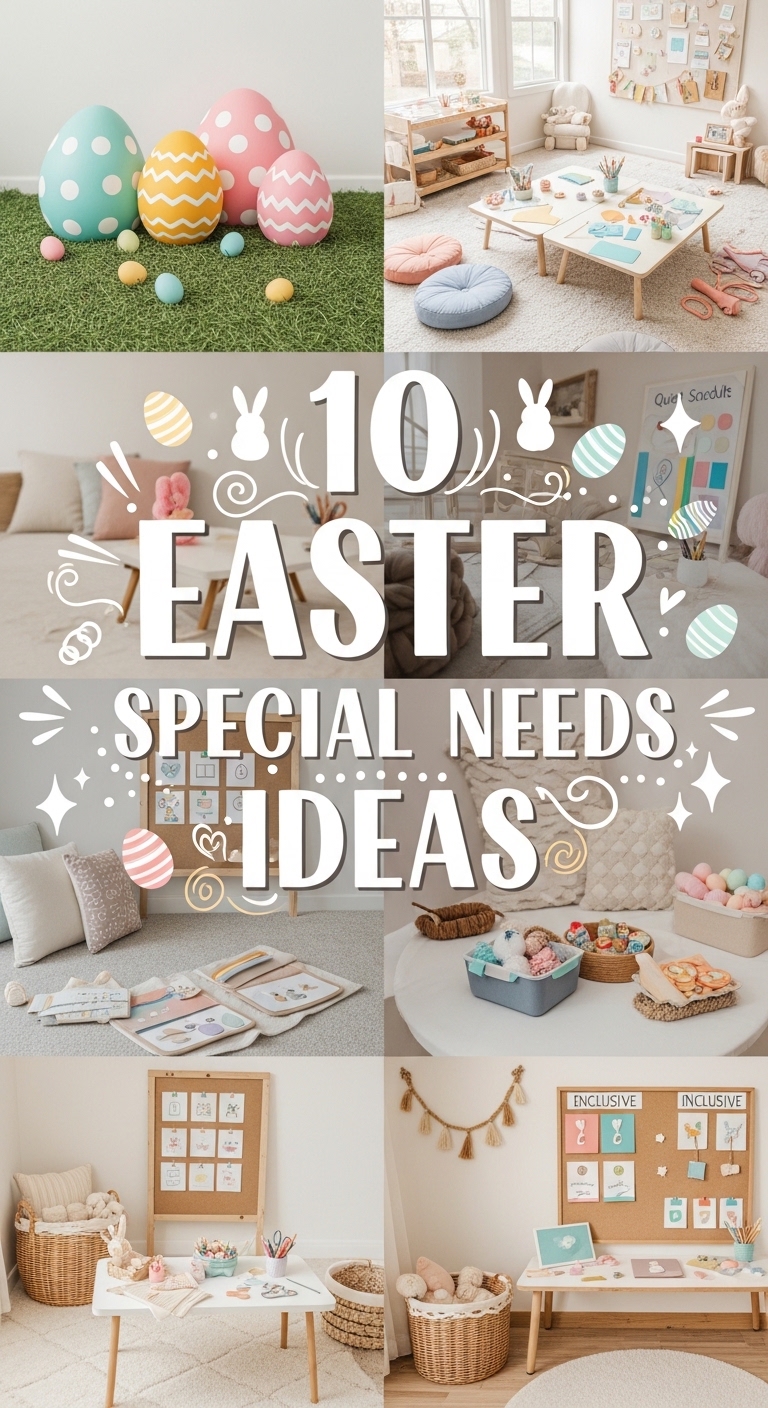
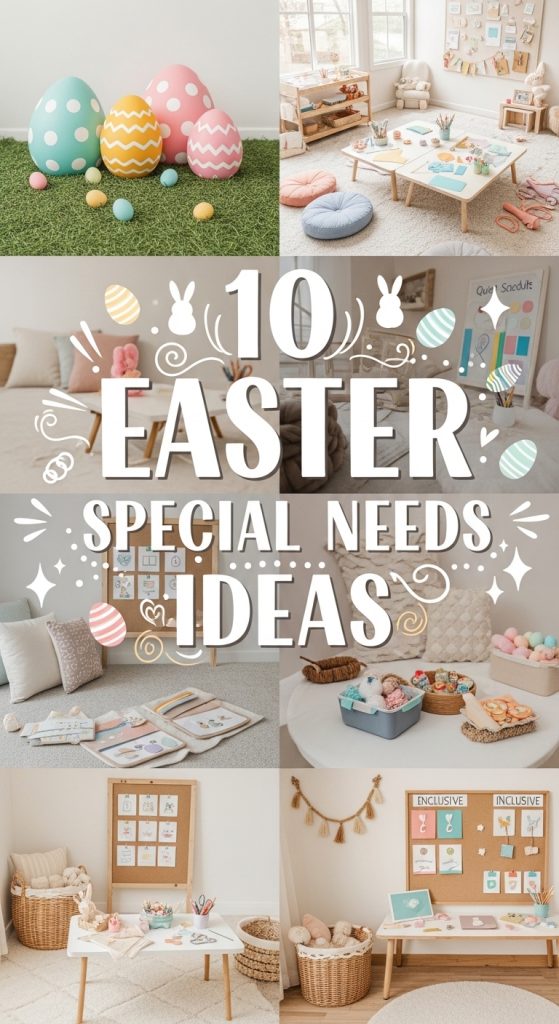
Easter is a time of joy, renewal, and togetherness. However, for children and individuals with special needs, traditional Easter activities can sometimes feel overwhelming or inaccessible. Loud environments, complex tasks, or sensory overload may make participation challenging. With thoughtful planning and a little creativity, Easter can become an inclusive and meaningful experience for everyone. Below are ten carefully designed Easter ideas that cater to a wide range of special needs, ensuring that every individual can participate comfortably and happily.
1. Sensory-Friendly Easter Egg Hunt
Traditional Easter egg hunts can be chaotic and overstimulating. A sensory-friendly version focuses on calmness and accessibility. Use larger, brightly colored eggs that are easy to spot, and reduce the number of participants to avoid crowding. You can also assign each child a specific area to search, minimizing competition and stress. Consider adding tactile elements such as textured eggs or soft materials for children who benefit from sensory exploration.

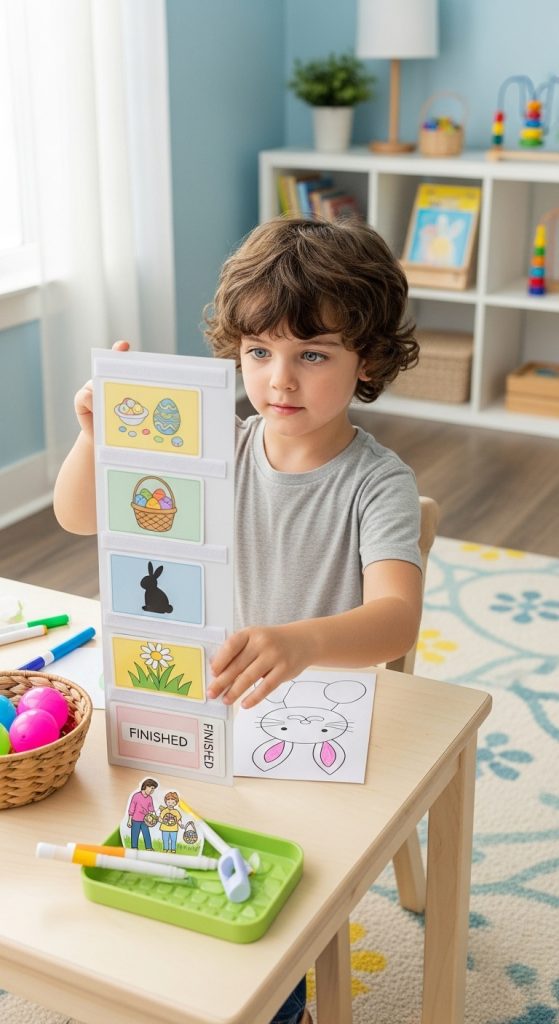
2. Visual Schedule for Easter Activities
Many individuals with special needs thrive on routine and predictability. Creating a visual schedule for the day’s events helps reduce anxiety and prepares them for what’s coming next. Use pictures, symbols, or simple words to outline activities such as egg decorating, snack time, and games. This allows participants to feel more in control and engaged throughout the celebration.
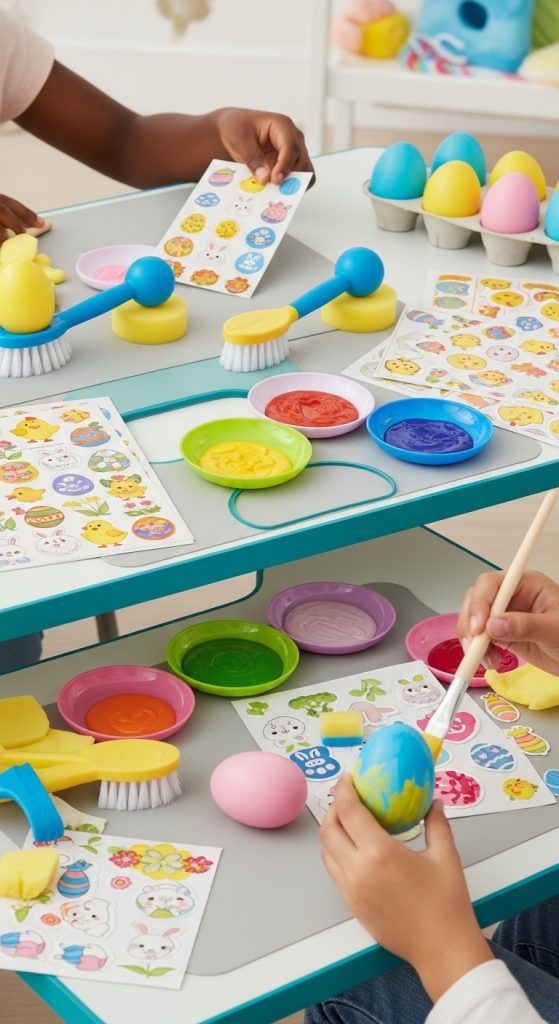
3. Adaptive Easter Egg Decorating
Egg decorating is a classic Easter activity, but it can be challenging for those with fine motor difficulties. Provide adaptive tools such as sponge brushes, stickers, or pre-colored eggs. Instead of using messy dyes, opt for markers or paint pens that are easier to control. This ensures that everyone can participate without frustration.
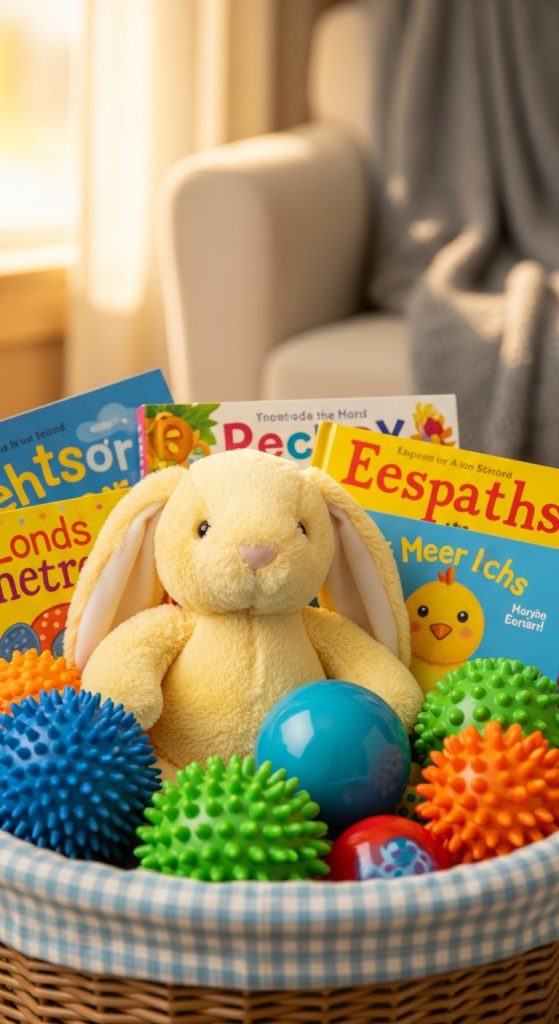
4. Quiet Easter Basket Alternatives
Traditional Easter baskets often include noisy toys or sugary treats, which may not be suitable for everyone. Create customized baskets with calming and sensory-friendly items such as soft toys, fidget tools, or books. You can also include items that align with dietary restrictions or personal preferences, making the experience more enjoyable and inclusive.
5. Inclusive Easter Story Time
Storytelling is a wonderful way to celebrate Easter while promoting relaxation and understanding. Choose simple, engaging stories with clear visuals. For individuals with communication challenges, consider using interactive books with textures or sounds. You can also incorporate sign language or visual aids to make the story more accessible.

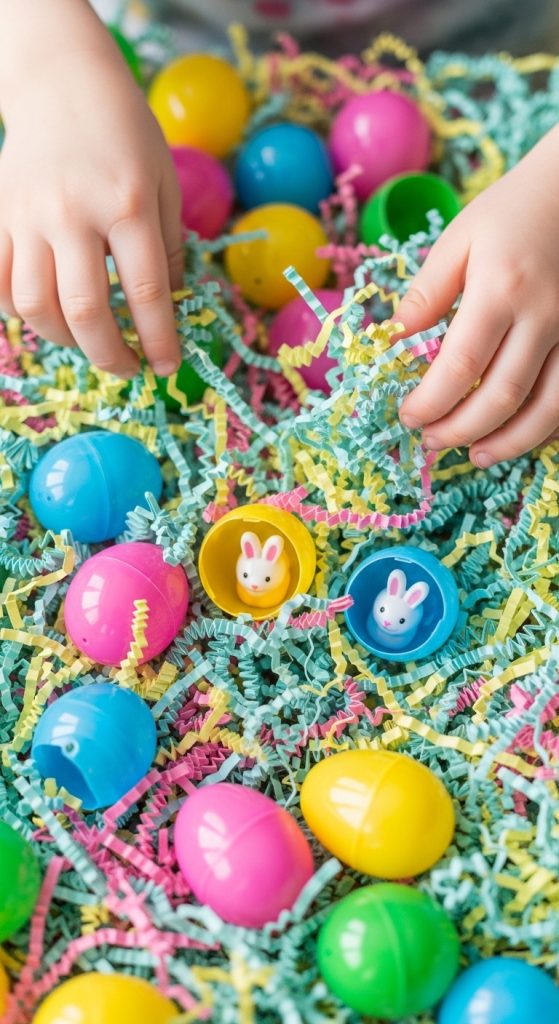
6. Easter-Themed Sensory Bins
Sensory bins are a fantastic way to engage individuals who enjoy tactile experiences. Fill a container with items such as shredded paper, plastic eggs, small toys, or soft materials. Add Easter-themed objects like bunnies or chicks to make it festive. This activity allows participants to explore at their own pace in a controlled and calming environment.
7. Accessible Easter Crafts
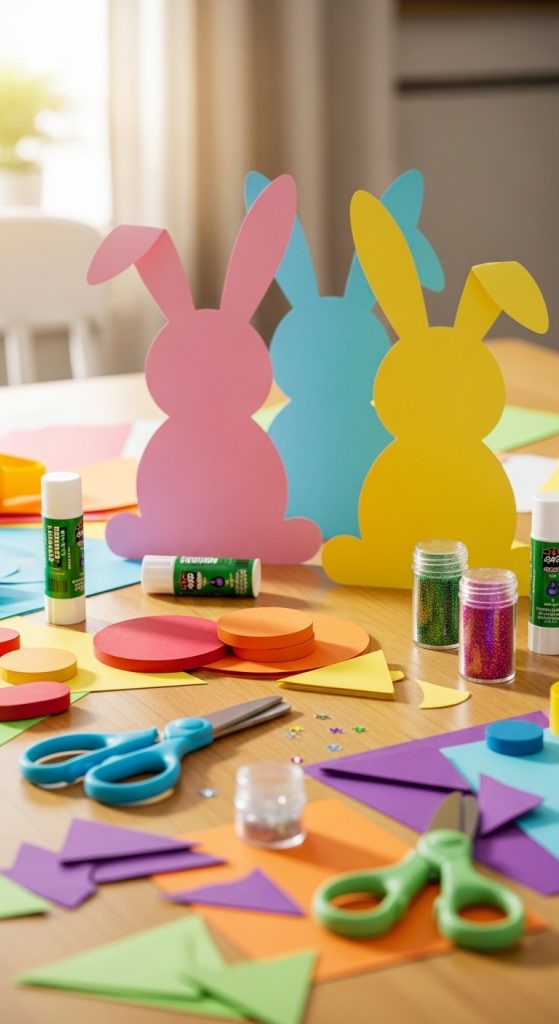
Crafting can be adapted to suit a variety of abilities. Choose simple projects such as decorating bunny cutouts, making paper chicks, or assembling pre-cut shapes. Use glue sticks instead of liquid glue and provide larger pieces for easier handling. The goal is to focus on creativity rather than perfection.
8. Music and Movement Activities
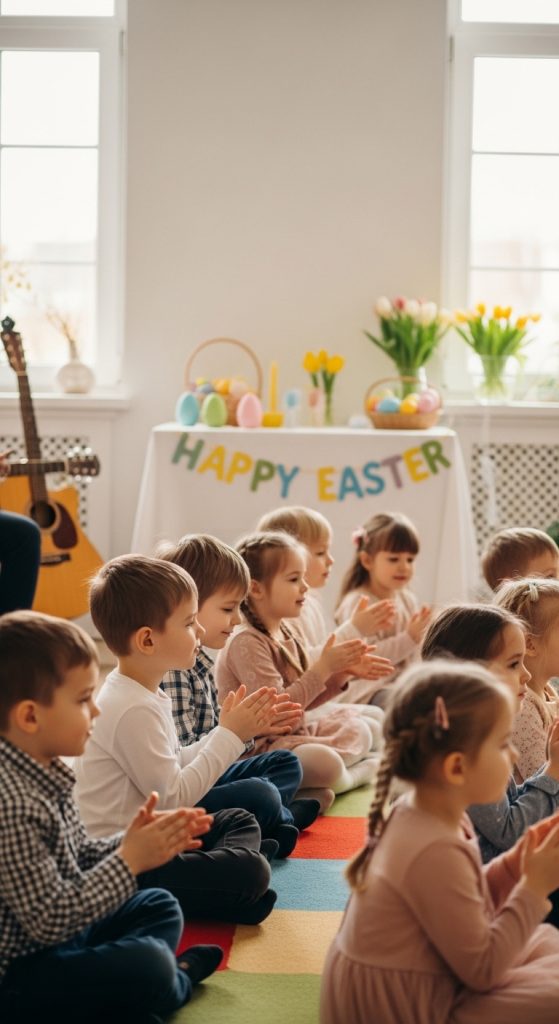
Music can be both calming and energizing, depending on how it’s used. Play gentle Easter-themed songs and encourage simple movements such as clapping, swaying, or dancing. For individuals sensitive to sound, keep the volume low and provide noise-canceling headphones if needed. Movement activities help release energy while promoting coordination and enjoyment.
9. One-on-One Easter Games
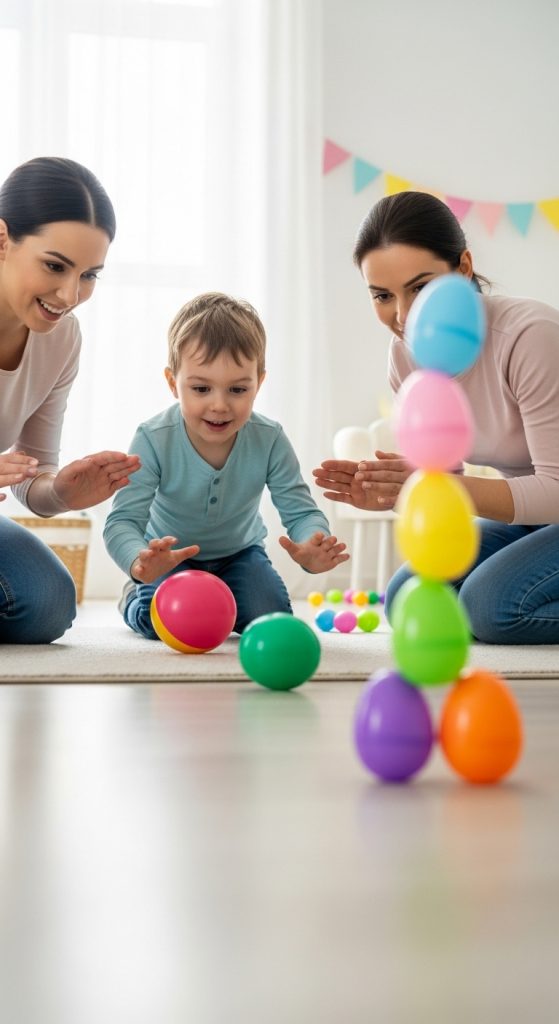
Group games can sometimes be overwhelming, so consider one-on-one or small-group activities. Simple games like rolling a ball to knock over plastic eggs or matching egg colors can be both fun and manageable. These activities allow for personalized interaction and support, ensuring that everyone feels included.
10. Calm Down Space for Breaks
Even with careful planning, some individuals may need a break from the excitement. Create a designated calm-down space with soft lighting, comfortable seating, and soothing items such as blankets or sensory toys. This provides a safe area where participants can relax and recharge before rejoining the activities.

Final Thoughts
An inclusive Easter celebration is not about changing traditions entirely but adapting them to meet diverse needs. By focusing on comfort, accessibility, and individual preferences, you can create a meaningful experience that everyone can enjoy. Small adjustments—like reducing noise, simplifying tasks, or offering choices—can make a significant difference.
The true spirit of Easter lies in connection and joy. When we take the time to include everyone, we create not just a celebration, but a lasting memory of kindness and understanding.