
Weddings are evolving rapidly as technology, culture, and personal preferences continue to shape how couples celebrate their union. The traditional concept of a wedding is no longer the only option. Today, couples are looking for experiences that reflect their individuality, values, and lifestyle. In the future, weddings will become more personalized, tech-enabled, sustainable, and immersive. Below are ten forward-thinking wedding plan ideas that are likely to define the weddings of tomorrow.

1. Virtual and Hybrid Wedding Ceremonies
One of the most significant developments in wedding planning is the rise of virtual and hybrid ceremonies. These formats allow guests from across the globe to attend without the need for travel. High-quality live streaming platforms, interactive video calls, and even virtual reality environments will enable remote guests to feel included in real time. Hybrid weddings combine physical attendance with virtual participation, ensuring that no one is left out regardless of distance or circumstances.

2. Eco-Conscious and Sustainable Weddings
Environmental awareness is becoming increasingly important, and future weddings will reflect this shift. Couples are expected to choose sustainable options such as digital invitations, locally sourced catering, reusable decorations, and biodegradable materials. Venues powered by renewable energy and zero-waste policies will become more popular. Even wedding attire may follow sustainable practices through ethical sourcing or rental services, reducing overall environmental impact.

3. Artificial Intelligence in Wedding Planning
Artificial intelligence will play a major role in simplifying wedding planning. AI-powered tools can help couples organize budgets, suggest themes, recommend vendors, and manage guest lists efficiently. These systems will analyze preferences and provide customized suggestions tailored to the couple’s style and requirements. Automated scheduling, reminders, and coordination tools will reduce stress and allow couples to focus on the emotional and creative aspects of planning.

4. Destination Weddings in Unique and Futuristic Locations
Destination weddings will continue to evolve beyond traditional resorts and beaches. Couples may choose unique locations such as desert domes, mountain cliffs, underwater venues, or even space-inspired settings. As travel and infrastructure improve, previously inaccessible or unconventional locations will become viable. These extraordinary venues will provide breathtaking visuals and unforgettable experiences for both the couple and their guests.

5. Highly Personalized Themed Weddings
Future weddings will emphasize personalization like never before. Instead of generic themes, couples will design weddings based on their shared passions, hobbies, or life stories. This could include themes inspired by literature, cinema, travel, or cultural heritage. Advanced technologies such as projection mapping, LED environments, and interactive installations will help bring these themes to life, creating immersive and visually dynamic celebrations.

6. Interactive Guest Participation Experiences
Guest engagement will become a central element of future weddings. Instead of simply attending, guests will actively participate in the celebration through interactive features. Mobile applications, digital message walls, live polls, and augmented reality experiences will allow guests to contribute in meaningful ways. These tools can also be used to create shared memories, such as collaborative photo albums or real-time social interaction during the event.

7. Drone-Based Photography and Cinematic Coverage
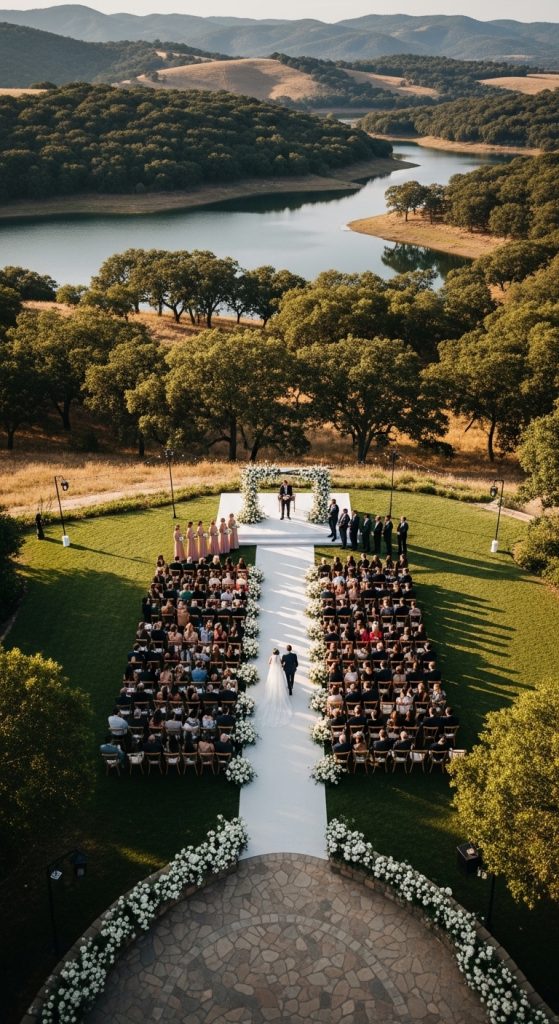
Wedding photography and videography will become more advanced with the widespread use of drones and AI-driven editing tools. Drones can capture aerial views, dynamic angles, and cinematic sequences that were previously difficult to achieve. Combined with automated tracking and stabilization technologies, these systems will produce high-quality visual storytelling. Couples will receive professionally edited wedding films that capture every moment from unique perspectives.

8. Smart Wearable Technology in Wedding Attire
Wearable technology is expected to merge with fashion in future weddings. Smart fabrics and embedded sensors may allow wedding attire to change color, adjust temperature, or display subtle lighting effects. Accessories such as rings, bracelets, or cufflinks could include digital functionalities, adding symbolic or practical features. This fusion of fashion and technology will allow couples to express individuality while incorporating innovation into their attire.

9. Intimate Micro-Weddings with Premium Experiences
While large weddings will still exist, micro-weddings will continue to grow in popularity. These smaller gatherings focus on close family and friends, offering a more personal and meaningful experience. With fewer guests, couples can invest in higher-quality elements such as gourmet dining, customized decor, and detailed personalization. Micro-weddings emphasize emotional connection over scale, making the celebration more intimate and memorable.
10. Cultural Fusion Weddings Celebrating Diversity
As global connections increase, cultural fusion weddings will become more common. Couples from different backgrounds will blend traditions, rituals, attire, and cuisines into a single celebration. These weddings will honor multiple heritages while creating something unique and inclusive. Future wedding planning will embrace diversity, allowing couples to design ceremonies that respect traditions while expressing their shared identity.

In conclusion, the future of weddings is dynamic, innovative, and deeply personal. Technology will continue to enhance convenience and creativity, while sustainability and cultural awareness will influence decision-making. Couples will have more freedom than ever to design weddings that reflect their values, personalities, and relationships. Whether through immersive virtual experiences, eco-friendly practices, or customized themes, weddings of the future will move beyond tradition to become truly unique celebrations of love.
Final Thought:
The future of weddings is not about replacing tradition but redefining it—blending innovation, inclusivity, and individuality to create meaningful celebrations that evolve with time while honoring the timeless essence of love.