
Easter is one of the most significant celebrations in the Christian calendar, commemorating the resurrection of Jesus Christ. Over centuries, the holiday has evolved into a blend of religious observance, cultural traditions, and joyful springtime celebrations. While many people associate Easter with colorful eggs, chocolate bunnies, and family gatherings, the holiday also carries a rich historical background. Exploring Easter through historical ideas can help us understand how ancient traditions, religious beliefs, and cultural influences shaped the celebration we know today. Here are ten fascinating Easter Day history ideas that highlight the deep roots and evolution of this beloved holiday.

1. The Origins of Easter in Early Christianity
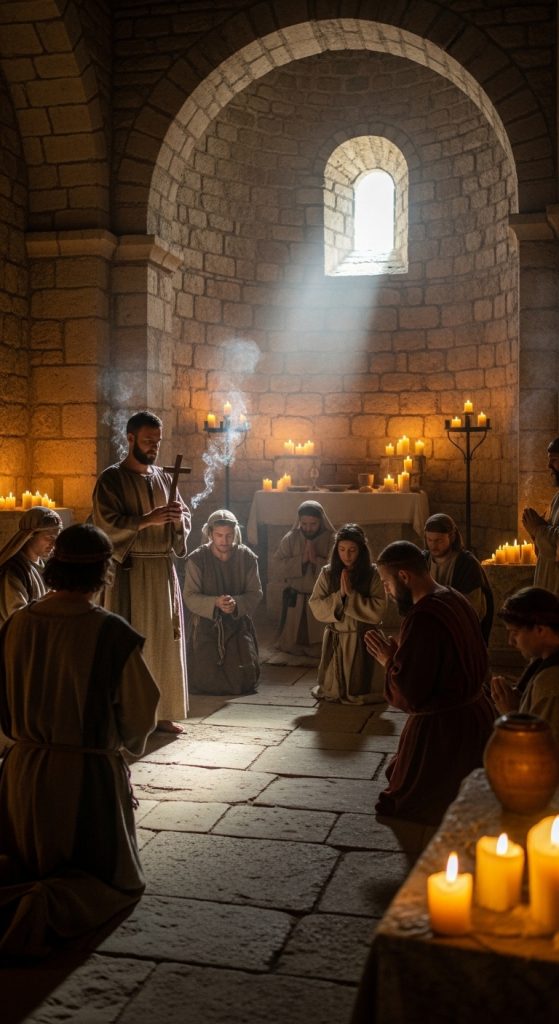
The earliest Easter celebrations date back to the first centuries of Christianity. Christians began commemorating the resurrection of Jesus shortly after the events described in the New Testament. Early believers observed the holiday as a solemn and sacred time focused on faith, prayer, and remembrance. Studying early Christian communities reveals how Easter became central to Christian identity and theology. Historical records show that early Christians debated the exact date for celebrating Easter, which later led to important church decisions about the calendar.

2. The Influence of Jewish Passover
Easter’s historical roots are closely linked to the Jewish festival of Passover. According to the Bible, the crucifixion and resurrection of Jesus occurred during the Passover season. Because of this connection, early Christians tied Easter celebrations to the Jewish calendar. Exploring this relationship helps historians understand how Christian traditions emerged from earlier religious practices and how cultural interactions shaped the development of the holiday.
3. The Council of Nicaea and the Easter Date
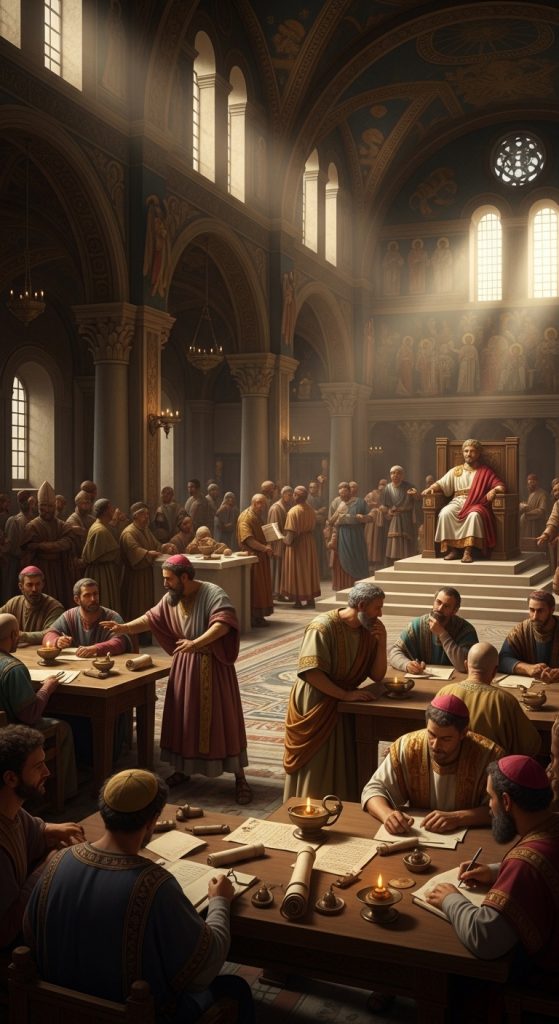
One of the most important historical events related to Easter occurred in 325 AD during the Council of Nicaea. Church leaders gathered to resolve disputes about Christian doctrine and practice, including the timing of Easter. The council decided that Easter would be celebrated on the first Sunday after the first full moon following the spring equinox. This decision created a standardized method for determining the date, which is why Easter changes every year.
4. The Symbolism of Easter Eggs
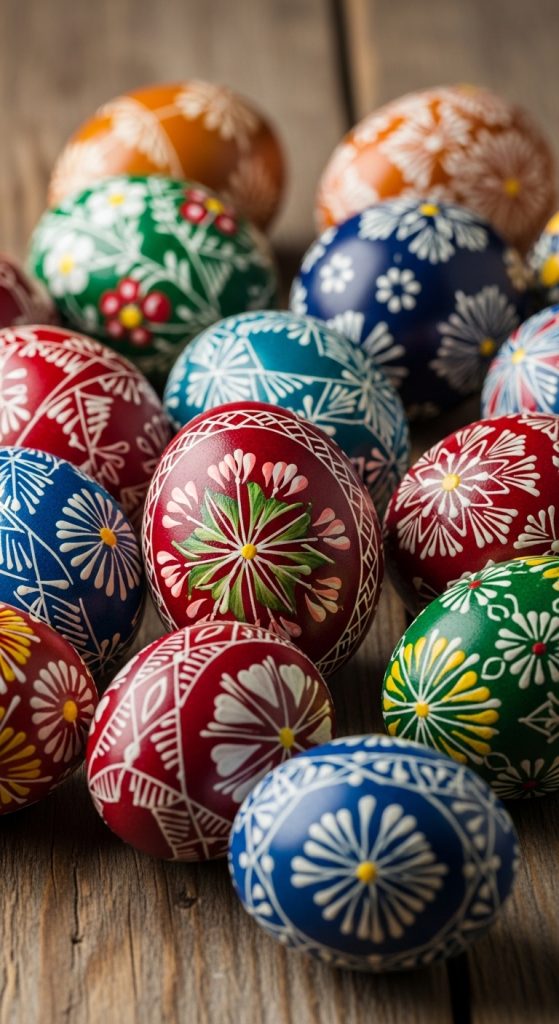
Eggs have become one of the most recognizable symbols of Easter, but their origins go far back in history. In many ancient cultures, eggs represented new life and rebirth, making them a perfect symbol for spring. Early Christians adopted the egg as a symbol of Jesus’ resurrection and the promise of new life. Historical traditions include decorating eggs with bright colors, giving them as gifts, and even creating elaborate artistic designs.
5. Medieval Easter Celebrations
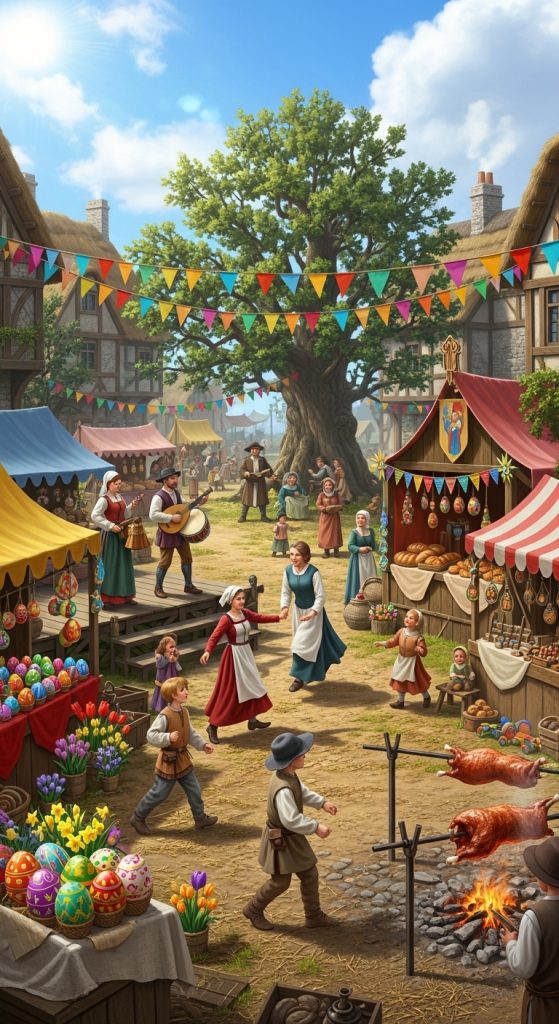
During the Middle Ages, Easter became one of the most important festivals in Europe. Churches held special services, dramatic reenactments, and community celebrations. Medieval traditions included feasting after the long fasting period of Lent. Historical records show that people would gather for music, dancing, and games to celebrate the joy of the resurrection. These celebrations laid the foundation for many modern Easter traditions.
6. The Rise of the Easter Bunny Tradition
The Easter Bunny is a beloved character associated with Easter, especially for children. The tradition is believed to have originated in Germany in the 1600s. According to folklore, a magical hare called the “Osterhase” would lay colorful eggs for well-behaved children. German immigrants brought this tradition to North America in the 18th century, where it gradually evolved into the Easter Bunny we recognize today. This historical idea shows how folklore and immigration influenced holiday customs.

7. Easter Parades and Public Celebrations
In the 19th century, Easter celebrations expanded beyond churches and homes into public spaces. Cities began organizing Easter parades where people dressed in elegant spring clothing and walked through streets in celebration. These parades became social events that reflected fashion trends and community pride. The tradition became especially popular in places like New York City, where the Easter Parade turned into a famous cultural event.

8. The History of Easter Candy
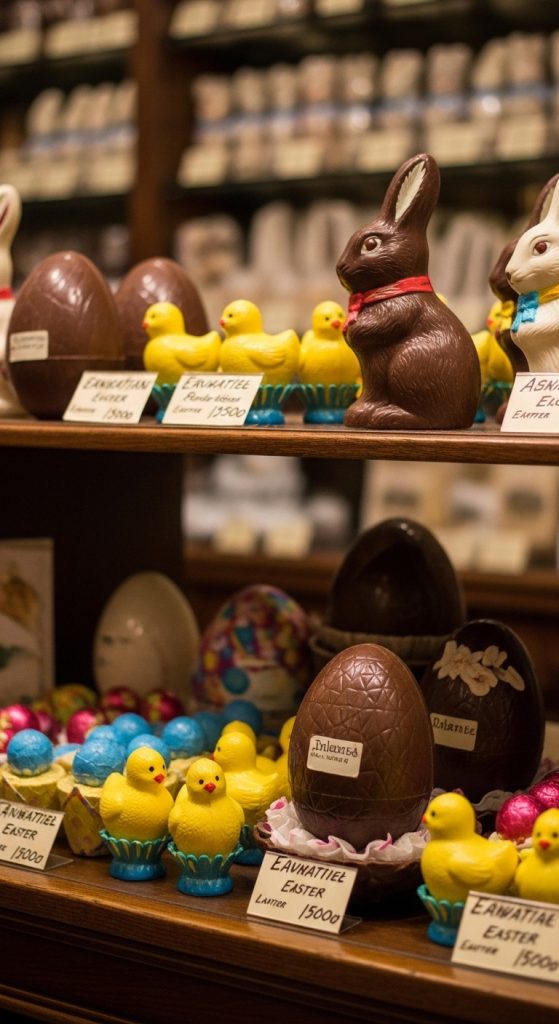
While candy might seem like a modern addition to Easter, sweet treats have been connected to the holiday for centuries. In the past, people celebrated the end of Lent with special foods and desserts. By the 19th century, confectioners began creating chocolate eggs and sugar candies shaped like animals. Over time, candy became a central part of Easter festivities, especially for children participating in egg hunts.
9. Easter Around the World
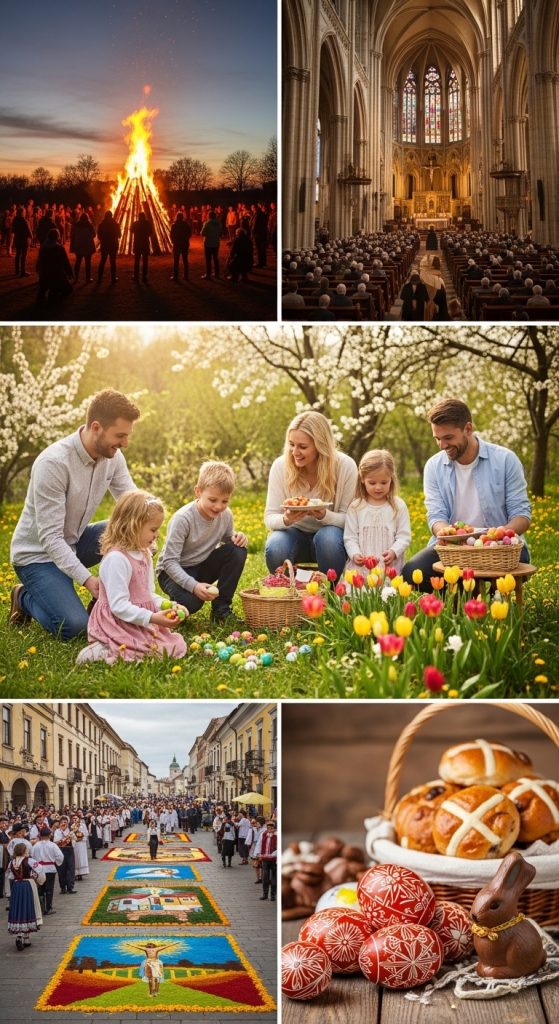
Easter traditions vary widely across different countries and cultures. In some places, the holiday includes elaborate processions and religious ceremonies, while in others it focuses on festive meals and family gatherings. For example, some European communities light large Easter fires to symbolize the triumph of light over darkness. In other cultures, people decorate homes, exchange gifts, or play traditional games. Studying these global traditions reveals how Easter adapted to different cultural environments.
10. Modern Easter Traditions and Cultural Influence
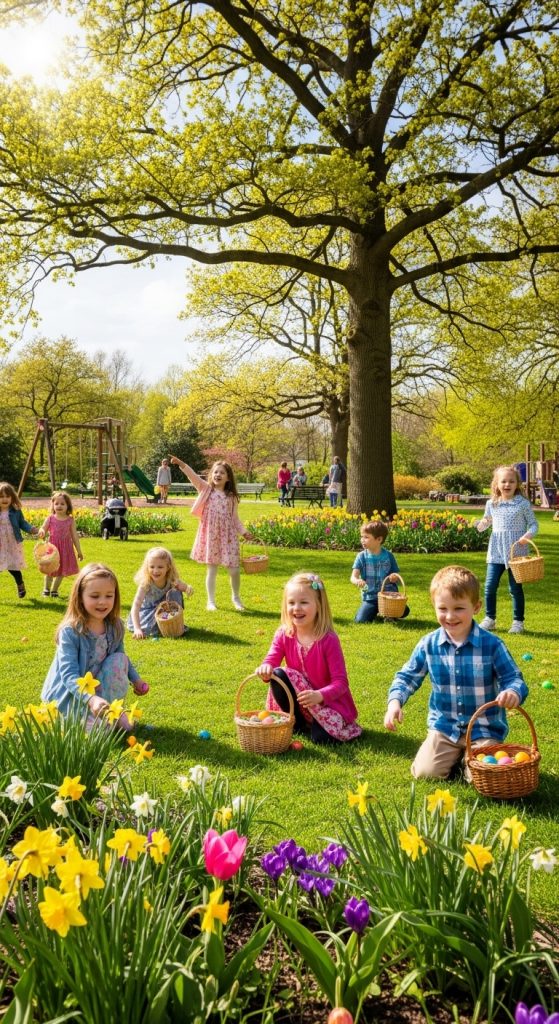
Today, Easter is celebrated in both religious and secular ways. Churches continue to hold sunrise services and special worship events to commemorate the resurrection. At the same time, many families participate in egg hunts, gift exchanges, and festive meals. Media, marketing, and global communication have also influenced how people celebrate Easter in the modern world. The holiday now blends ancient symbolism, religious meaning, and joyful spring traditions.
Conclusion
Easter’s history is a fascinating journey through religion, culture, and tradition. From early Christian worship to medieval festivals and modern celebrations, the holiday has continually evolved while preserving its core message of hope and renewal. Understanding the historical ideas behind Easter helps us appreciate the depth and meaning behind the colorful eggs, joyful gatherings, and cherished traditions that mark this special day. By exploring these ten historical perspectives, we gain a richer understanding of how Easter became one of the world’s most beloved celebrations.