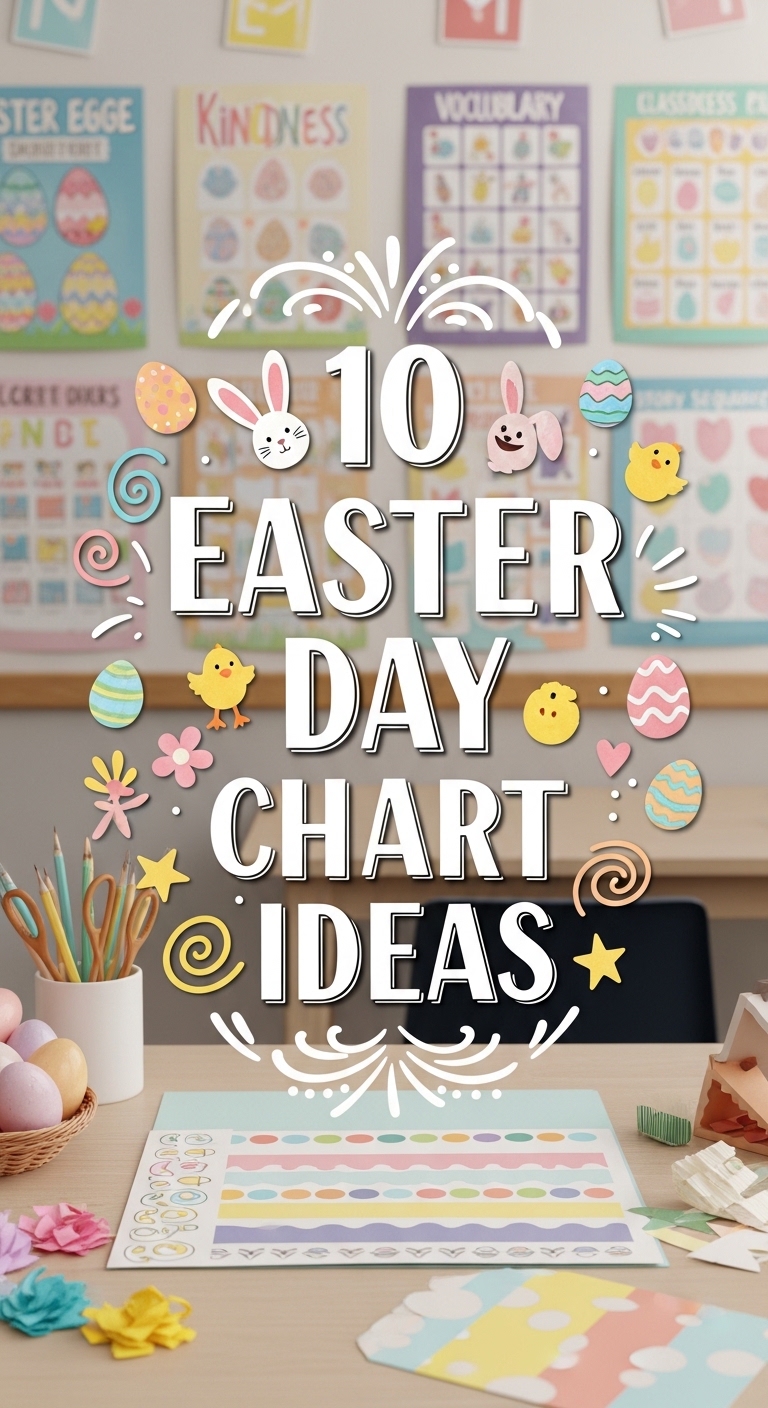
Easter is a joyful celebration that symbolizes renewal, hope, and new life. It is widely celebrated around the world with traditions such as decorating eggs, organizing egg hunts, and spending time with family. In schools, churches, and homes, creating themed charts is a fun and educational way to teach children about the spirit of Easter while encouraging creativity. Chart displays can brighten classrooms, engage students in activities, and visually explain the meaning and traditions behind the celebration.
Below are 10 creative Easter Day chart ideas that teachers, parents, and students can easily make using simple materials like colored paper, markers, stickers, and craft supplies.
1. The Meaning of Easter Chart
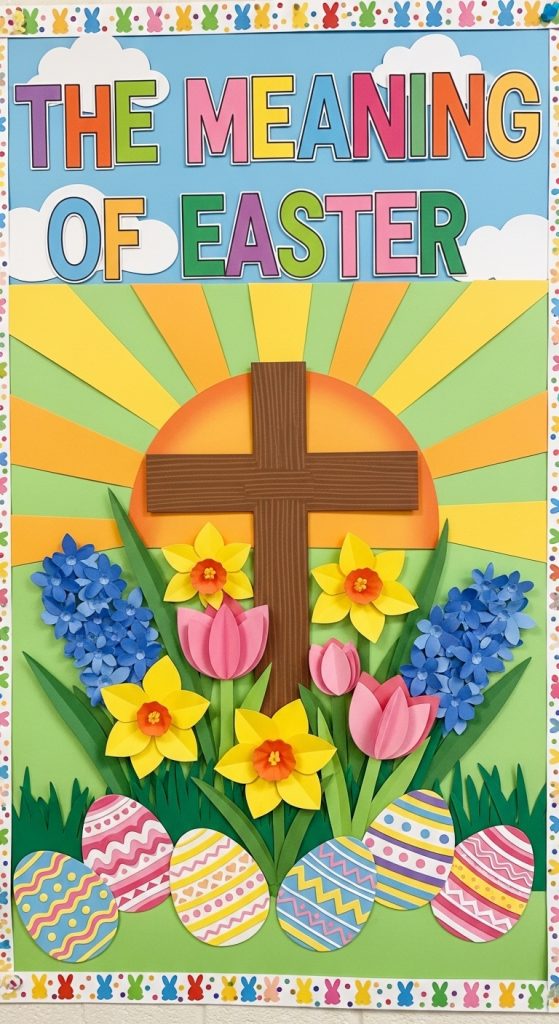
An educational chart explaining the meaning of Easter is a great way to introduce the holiday to children. This chart can include symbols like crosses, flowers, eggs, and sunshine to represent hope and new beginnings.
Divide the chart into sections such as:
- The story behind Easter
- Symbols of Easter
- How people celebrate around the world
Students can draw pictures, paste printed images, or add short descriptions. This chart works well for classroom walls and discussion sessions.
2. Easter Egg Colors and Patterns Chart
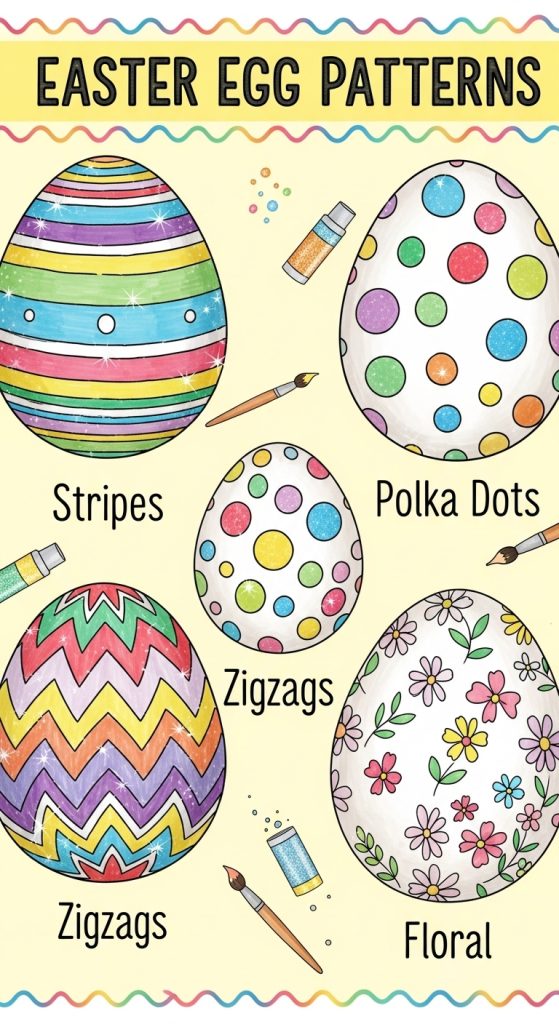
Easter eggs are one of the most recognizable symbols of Easter. A colorful chart showing different egg designs, patterns, and colors can inspire creativity in children.
Create large egg shapes on the chart and decorate each with:
- Polka dots
- Stripes
- Zigzag patterns
- Floral designs
- Glitter decorations
Students can design their own eggs and add them to the chart, making it a collaborative classroom project.
3. Easter Bunny Fun Facts Chart
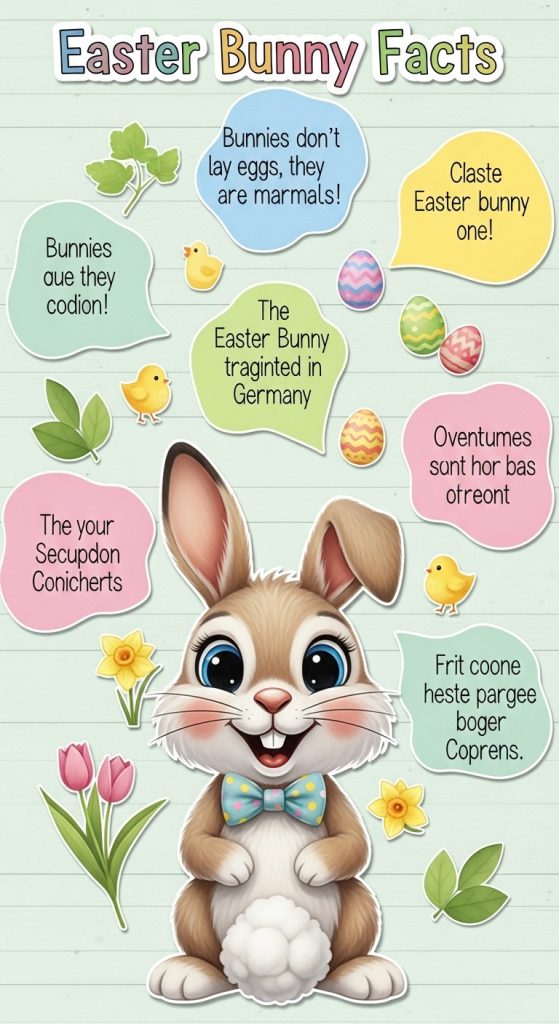
The Easter Bunny is another popular symbol associated with Easter celebrations. A chart about the Easter Bunny can combine fun facts with cute illustrations.
Possible sections include:
- Who is the Easter Bunny?
- Why does the bunny bring eggs?
- Bunny fun facts
- Bunny drawings by students
Adding cotton balls for the bunny tail and paper ears can make the chart look playful and creative.
4. Easter Traditions Around the World Chart
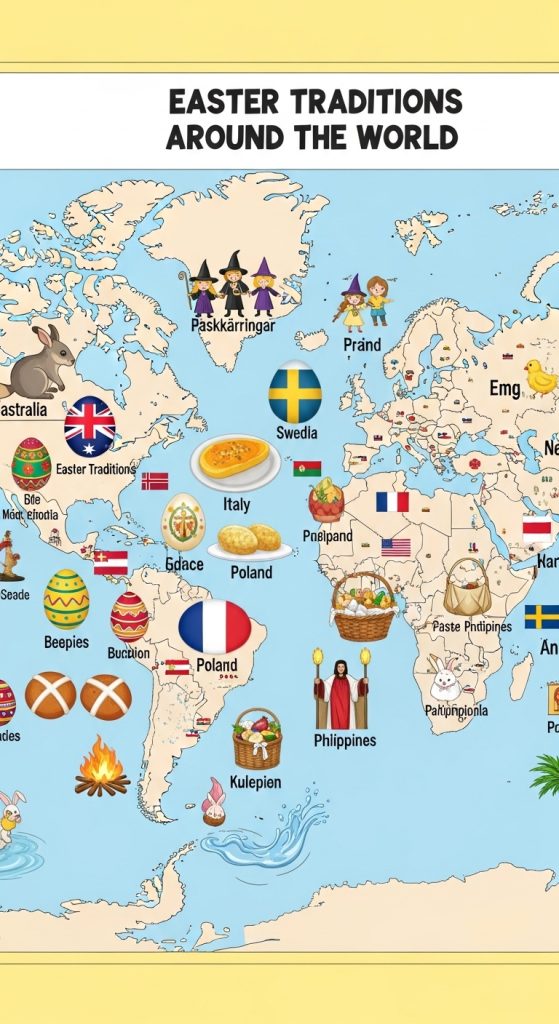
This chart can help children learn how Easter is celebrated in different countries. Each section can highlight a country and its traditions.
Examples to include:
- Egg rolling games
- Chocolate egg gifts
- Easter parades
- Special Easter foods
Students can place small flags, pictures, or drawings for each country to make the chart more interesting and informative.
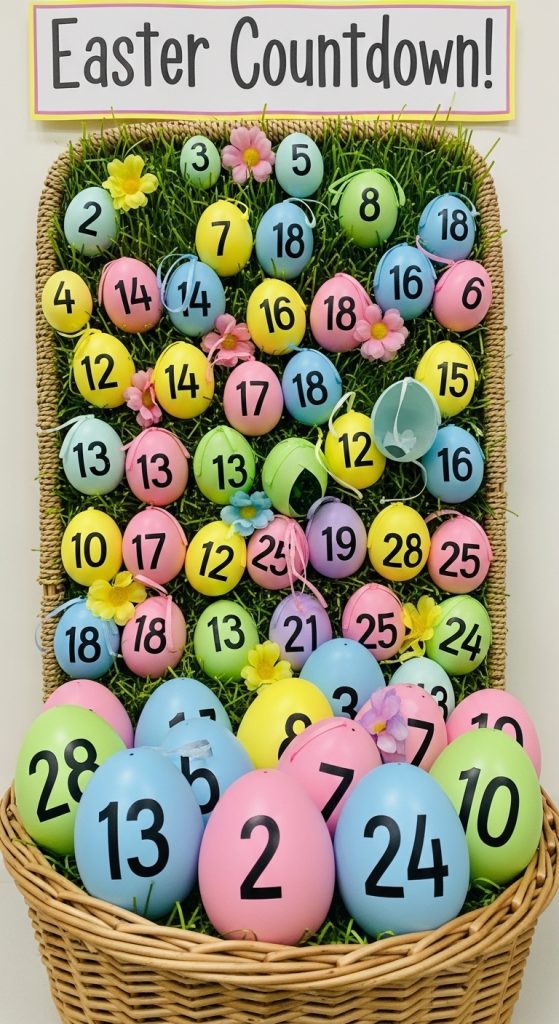
5. Easter Countdown Chart
A countdown chart builds excitement leading up to Easter. It can be designed with numbered eggs or baskets representing each day before the celebration.
Each day students can:
- Remove an egg
- Open a small flap
- Reveal a fun activity or message
Activities might include drawing eggs, sharing kindness, or learning an Easter fact.
6. Easter Vocabulary Chart
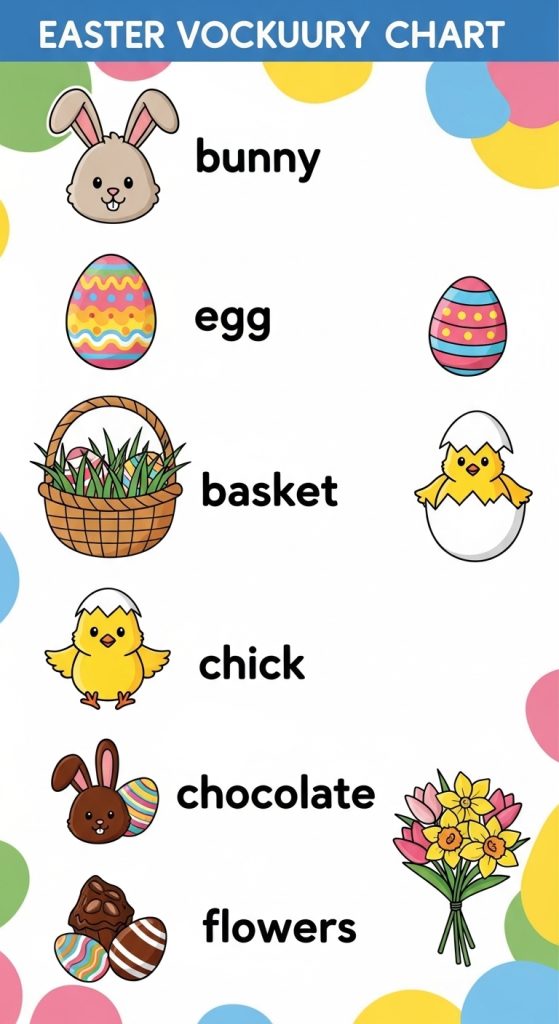
A vocabulary chart helps younger students learn new words related to Easter.
Include words such as:
- Bunny
- Egg
- Basket
- Spring
- Chocolate
- Flower
- Celebration
Add pictures beside each word so children can easily connect images with vocabulary. This chart is especially helpful for early learners.
7. Easter Craft Ideas Chart
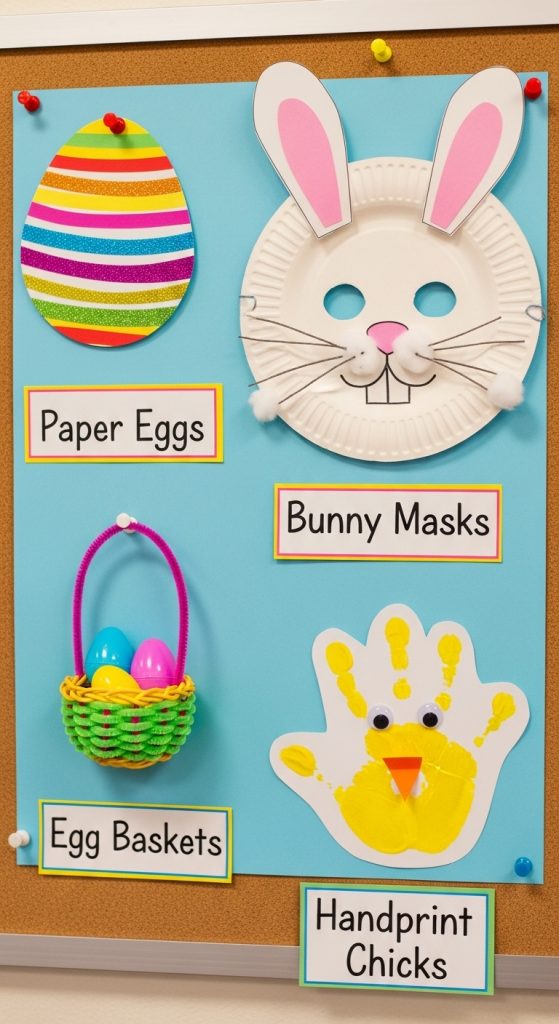
A chart showing different Easter craft activities can inspire children to create their own decorations.
Possible crafts include:
- Paper Easter eggs
- Bunny masks
- Egg baskets
- Handprint chicks
- Paper flowers
Teachers can display pictures or small samples of these crafts on the chart so students can choose which one they want to try.
8. Easter Kindness Chart
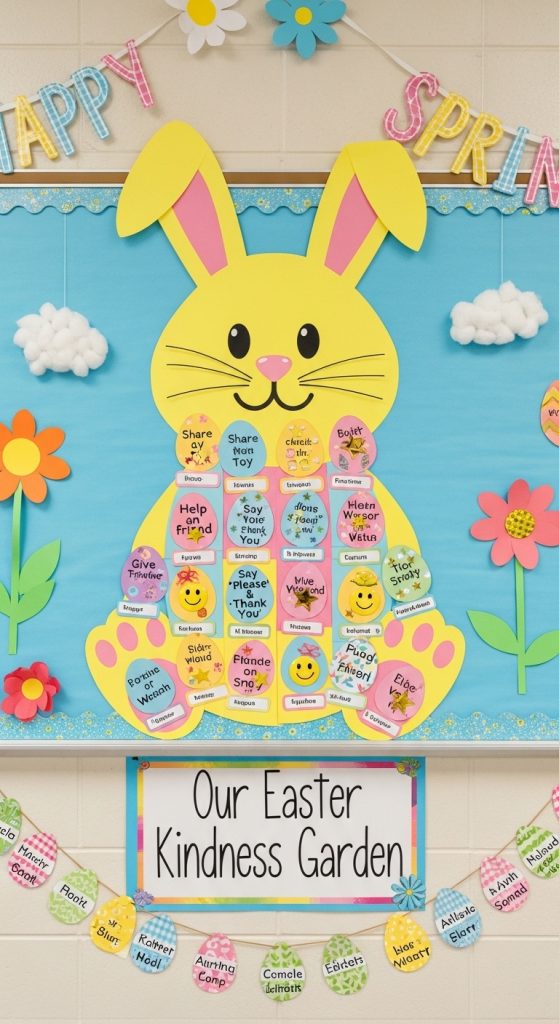
Easter represents love, kindness, and sharing. A kindness chart encourages students to perform good deeds.
Create a large bunny or egg shape and write acts of kindness inside it, such as:
- Helping a friend
- Sharing toys
- Saying kind words
- Cleaning up
Every time a student completes a kind act, they can add a sticker or a small egg drawing to the chart.
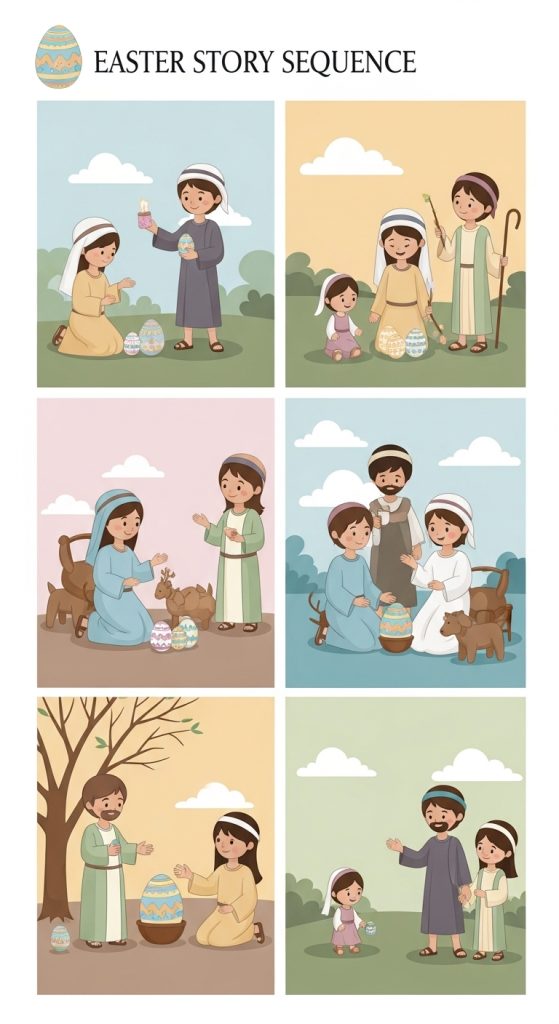
9. Easter Story Sequence Chart
This chart can help children understand the sequence of the Easter story. Divide the chart into different sections that show important events in order.
Students can illustrate each scene using drawings or cut-outs. This visual storytelling method helps children remember the sequence easily and encourages discussion about the holiday.
10. My Favorite Easter Activity Chart
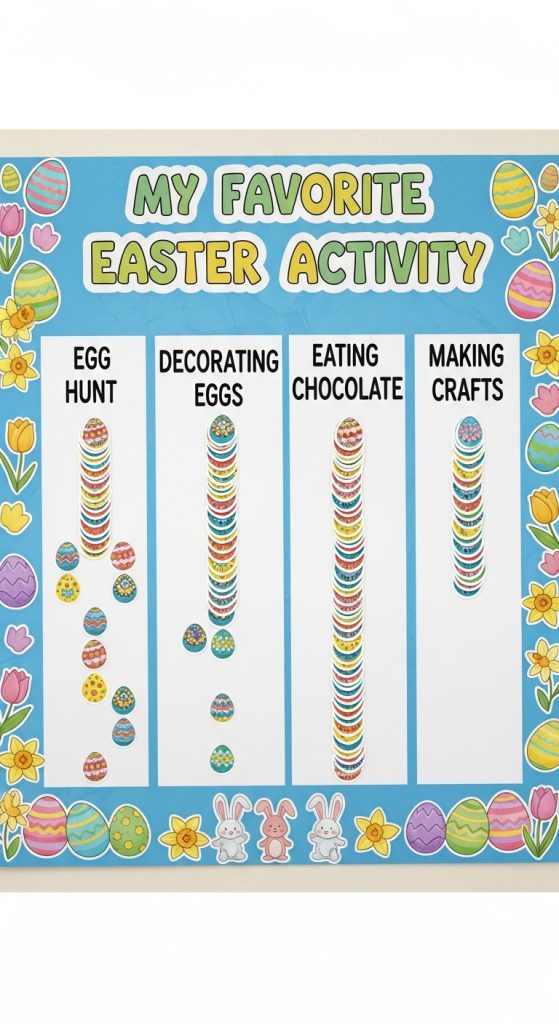
This interactive chart allows students to share their favorite Easter activities.
Create columns such as:
- Decorating eggs
- Easter egg hunt
- Eating chocolate eggs
- Making crafts
- Family gatherings
Students can place stickers or write their names under the activity they enjoy most. This also helps teachers see what activities children prefer.
Tips for Making Attractive Easter Charts
To make your Easter charts more engaging and visually appealing, consider these simple tips:
Use bright spring colors: Yellow, pink, green, and blue create a cheerful Easter theme.
Add 3D elements: Cotton, ribbons, and foam stickers can give charts texture.
Include student participation: Allow students to draw, color, or paste decorations.
Use large readable text: Charts should be clear enough to read from a distance.
Decorate the borders: Bunny ears, eggs, flowers, and grass borders enhance the design.
Charts not only beautify classrooms but also create interactive learning spaces where students feel involved in celebrations.
Conclusion
Easter charts are a wonderful way to combine learning, creativity, and celebration. Whether used in classrooms, Sunday schools, or at home, these charts can teach children about traditions, encourage teamwork, and spark artistic expression. From colorful egg designs to kindness charts and storytelling displays, each idea helps children connect with the joyful spirit of Easter.
By using simple materials and creative thinking, teachers and parents can transform ordinary chart paper into vibrant displays that inspire curiosity and excitement among children. These charts also become memorable decorations that bring the festive atmosphere of Easter into learning environments.