Easter is one of the most widely celebrated holidays in the Christian world, symbolizing renewal, hope, and new life. For millions of believers, it commemorates the resurrection of Jesus Christ after his crucifixion. However, the traditions and symbols associated with Easter today have deep historical roots that stretch far beyond a single religious narrative. Over centuries, cultural, religious, and seasonal traditions blended together to shape what we now recognize as Easter celebrations. From ancient spring festivals to religious observances, several theories attempt to explain the origins of Easter Day.
Below are ten interesting origin ideas that help explain how Easter developed into the celebration we know today.
1. The Resurrection of Jesus Christ
The most widely accepted origin of Easter comes from Christianity. According to the New Testament of the Bible, Jesus Christ was crucified on Good Friday and rose from the dead on the third day, which Christians celebrate as Easter Sunday. This resurrection symbolizes victory over death and the promise of eternal life. Early Christians began commemorating this event as the most important festival of the Christian calendar. Over time, the celebration became central to Christian theology and worship.
2. The Jewish Passover Connection
Another key origin of Easter is its connection to the Jewish festival of Passover. The events leading to Jesus’ crucifixion occurred during Passover, a festival celebrating the liberation of the Israelites from slavery in Egypt. Early Christians, many of whom were Jewish, naturally linked the resurrection story with this important religious period. Because of this connection, Easter is still calculated based on the lunar calendar, similar to Passover.
3. The Pagan Festival of Spring
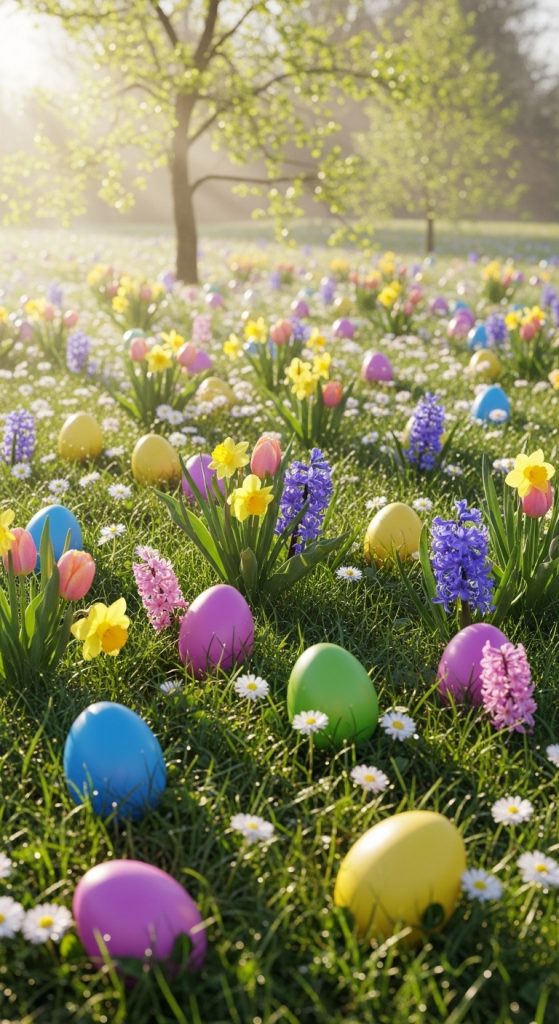
Many historians believe Easter traditions were influenced by ancient pagan spring festivals that celebrated fertility and renewal. As winter ended and nature began to bloom again, people held celebrations honoring the return of life. These festivals often included symbols such as eggs and animals, representing fertility and new beginnings. When Christianity spread through Europe, many of these traditions blended with Christian practices.

4. The Anglo-Saxon Goddess Eostre
One popular theory connects Easter to the Anglo-Saxon goddess Eostre. According to the 8th-century historian Bede, the month of April was once dedicated to this goddess of spring and fertility. Festivals honoring Eostre celebrated new life and rebirth in nature. Some scholars believe that as Christianity spread across England and northern Europe, the name of this pagan festival was adopted for the Christian celebration of the resurrection.

5. The Symbolism of Eggs
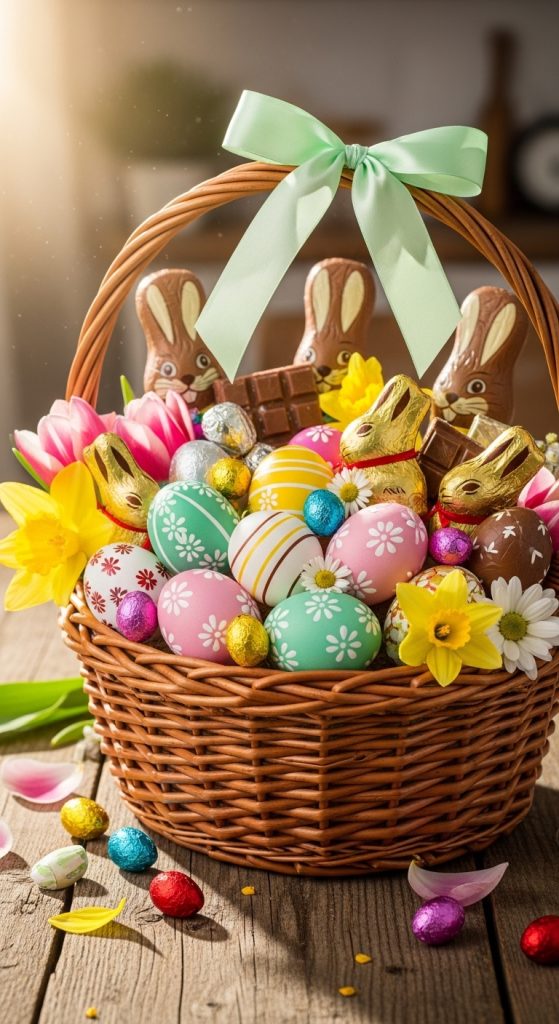
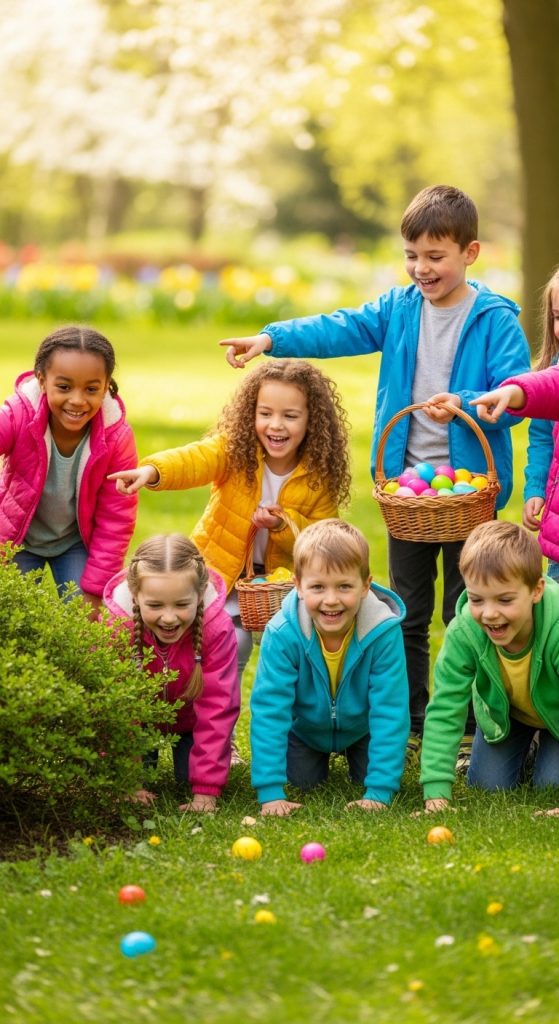
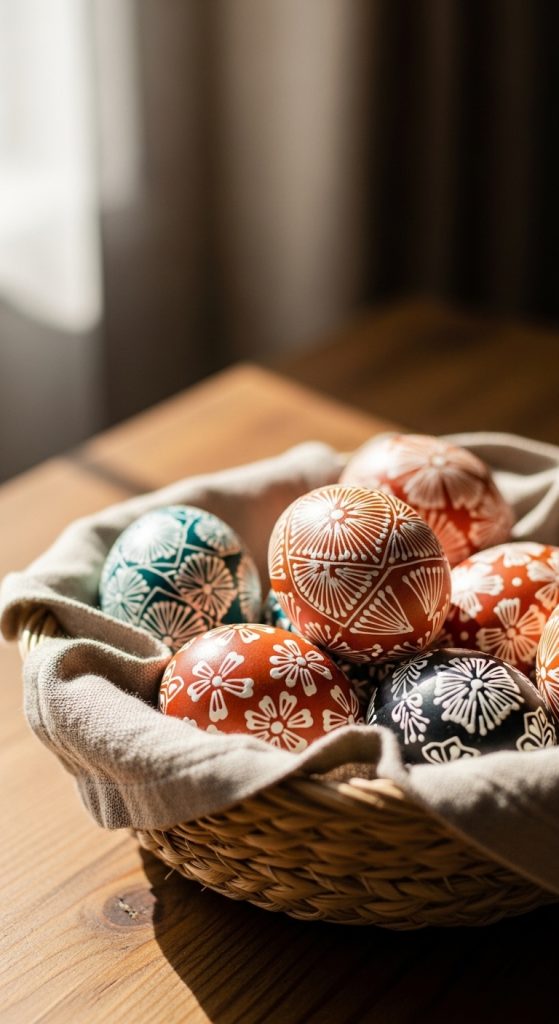
Eggs have long been associated with life and rebirth in many cultures. In ancient traditions, eggs symbolized fertility and the beginning of new life. Early Christians later adopted the egg as a symbol of Jesus’ resurrection, representing the tomb from which Christ emerged. Over centuries, decorating eggs became a beloved Easter tradition in many countries, eventually evolving into modern Easter egg hunts.
6. The Easter Bunny Tradition
The Easter Bunny, now a famous symbol of the holiday, likely originated in German folklore. In Germany, a mythical rabbit called the “Osterhase” was said to lay colored eggs for children who behaved well. German immigrants brought this tradition to North America in the 18th century. Rabbits were considered symbols of fertility because of their rapid reproduction, which connected them with spring and new life.
7. The Role of the Moon in Determining Easter
Unlike holidays with fixed dates, Easter changes every year. The reason lies in its ancient calculation system. The date of Easter is determined as the first Sunday after the first full moon following the spring equinox. This system reflects early attempts by church leaders to connect the Christian celebration with both the solar and lunar calendars. This tradition continues to determine Easter’s date worldwide today.
8. Medieval Christian Traditions
During the Middle Ages, Easter celebrations became more elaborate throughout Europe. Churches held special ceremonies, feasts, and dramatic reenactments of the resurrection story. The period before Easter, known as Lent, involved fasting and spiritual preparation lasting forty days. At the end of Lent, Easter feasts symbolized joy, celebration, and the return of abundance after sacrifice.

9. Cultural Adaptations Around the World
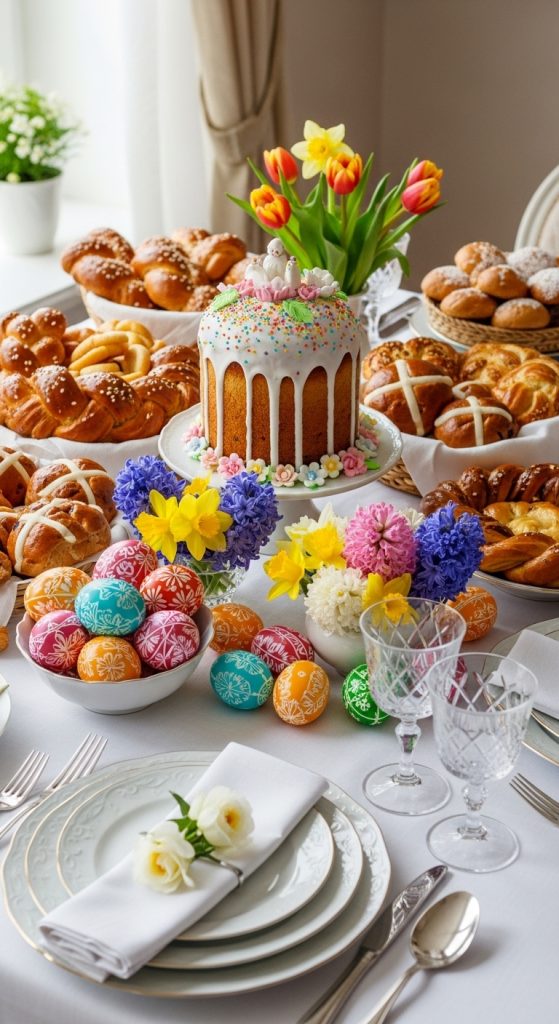
As Christianity spread across continents, Easter traditions adapted to local cultures. Different countries developed their own customs, foods, and rituals. In some regions, people light large bonfires to symbolize the triumph of light over darkness. In others, special breads, cakes, and sweets are prepared for the celebration. These variations show how Easter has grown into a global holiday shaped by diverse cultures.
10. Easter as a Celebration of Renewal
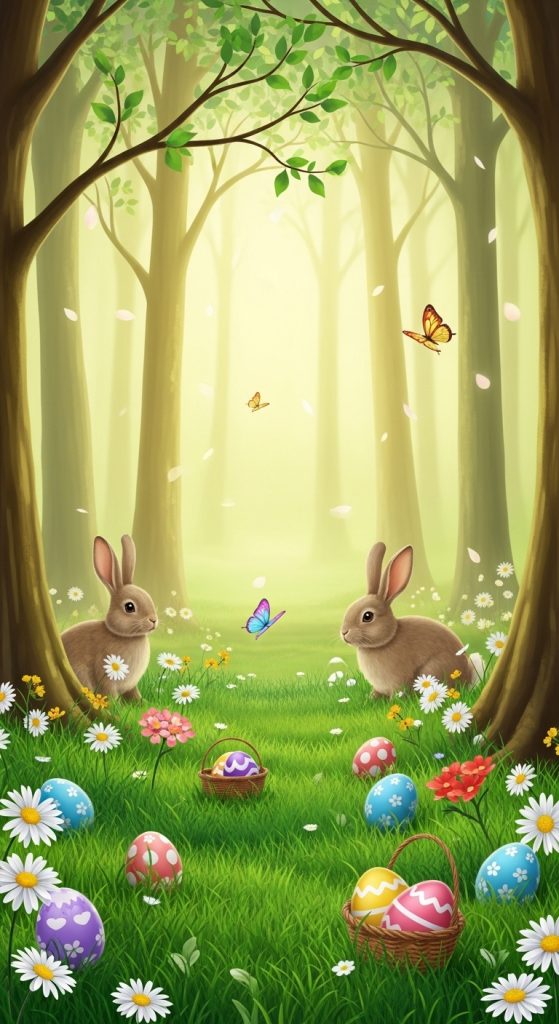
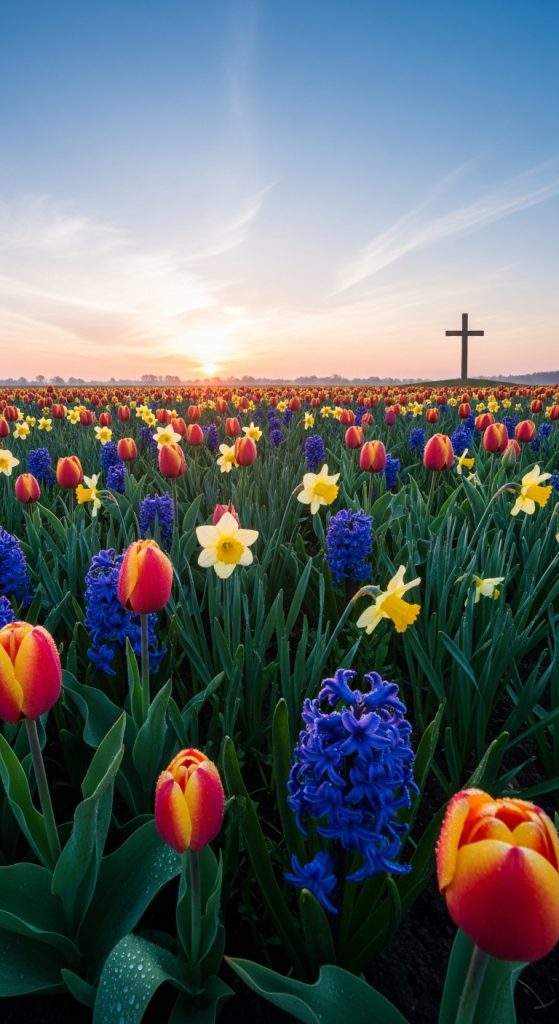
Beyond religious meaning, Easter has become a universal symbol of renewal. The holiday arrives during spring in the Northern Hemisphere, when nature awakens after winter. Flowers bloom, animals emerge, and the days grow warmer and longer. This natural cycle reinforces Easter’s themes of hope, rebirth, and transformation, making it meaningful even for people who celebrate it in a cultural rather than religious way.
Conclusion
The origins of Easter are complex and fascinating, combining religious belief, ancient traditions, seasonal celebrations, and cultural influences. While Christians primarily observe Easter as the resurrection of Jesus Christ, many of the holiday’s symbols—such as eggs, rabbits, and springtime imagery—trace back to earlier customs celebrating fertility and new life. Over centuries, these traditions merged and evolved into the modern celebration enjoyed around the world.
Understanding these different origin ideas reveals how history, culture, and faith can blend together to create powerful traditions that endure for generations. Whether celebrated through church services, family gatherings, egg hunts, or festive meals, Easter continues to represent hope, renewal, and the promise of new beginnings.