Easter in Greece is one of the most important and vibrant celebrations of the year. Known for its deep religious meaning, joyful traditions, delicious food, and strong community spirit, Greek Easter offers a unique cultural experience. From candlelit midnight services to festive family feasts, the holiday blends faith, tradition, and celebration in a way that is unforgettable.
If you want to experience Easter the Greek way—or simply bring a touch of Greek tradition into your own celebration—here are ten inspiring Easter Day ideas drawn from Greek customs and culture.
1. Attend a Candlelit Midnight Easter Service
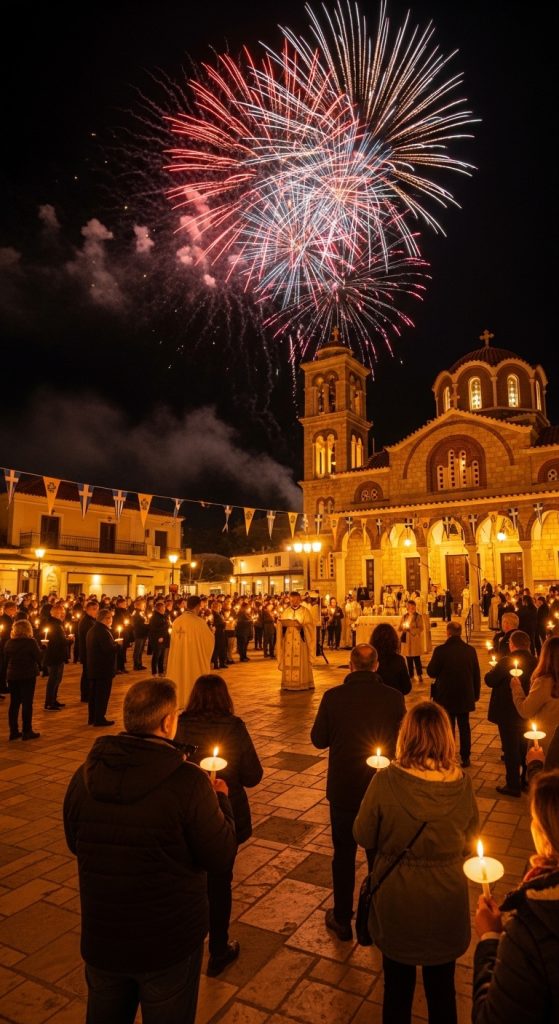
One of the most iconic traditions in Greece is the midnight church service held on Holy Saturday. Families gather at local churches holding white candles called lambades. As midnight approaches, the church goes dark, symbolizing the tomb of Christ.
At midnight, the priest announces the Resurrection, and the flame is passed from candle to candle. Fireworks often light up the sky while people greet each other with “Christos Anesti,” meaning “Christ is Risen.” Attending or recreating this candlelit moment is a beautiful way to begin Easter celebrations.
2. Decorate Traditional Red Easter Eggs
In Greece, eggs are dyed deep red rather than pastel colors. The red symbolizes the blood of Christ and the rebirth of life.
Families often dye eggs on Holy Thursday and display them in decorative bowls or baskets. On Easter Sunday, people play a game called tsougrisma, where two people tap their eggs together. The one whose egg stays uncracked is said to have good luck for the year.
You can recreate this tradition by dyeing eggs with natural red dye or beetroot and arranging them in rustic bowls or baskets.

3. Host a Greek Easter Feast
Food plays a central role in Greek Easter celebrations. After weeks of fasting during Lent, Easter Sunday becomes a day of abundance and joy.
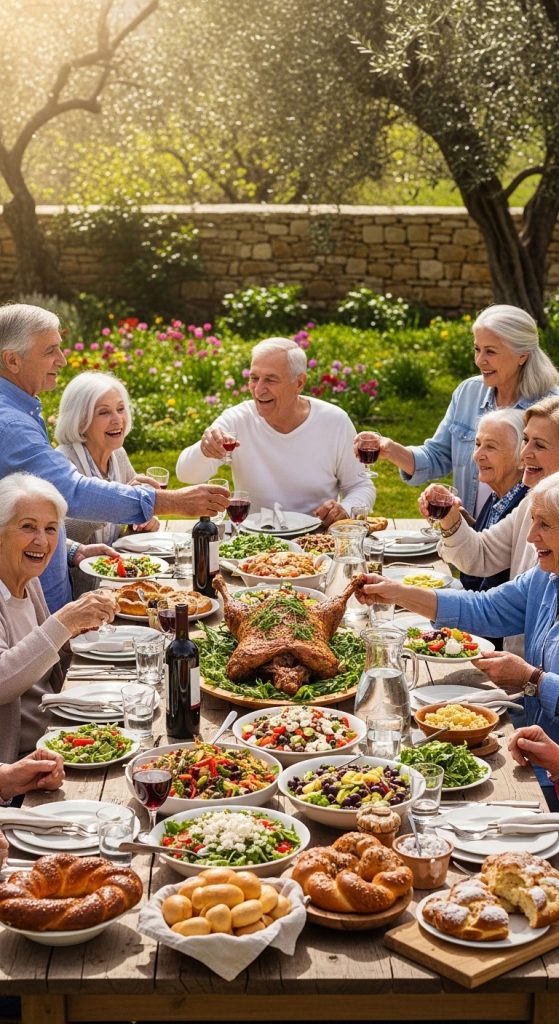
A traditional Greek Easter table may include:
- Roasted lamb
- Lemon potatoes
- Fresh Greek salad
- Homemade bread
- Cheese pies
- Sweet pastries
Gather family and friends outdoors if possible, as many Greek families celebrate Easter with large garden or village gatherings.
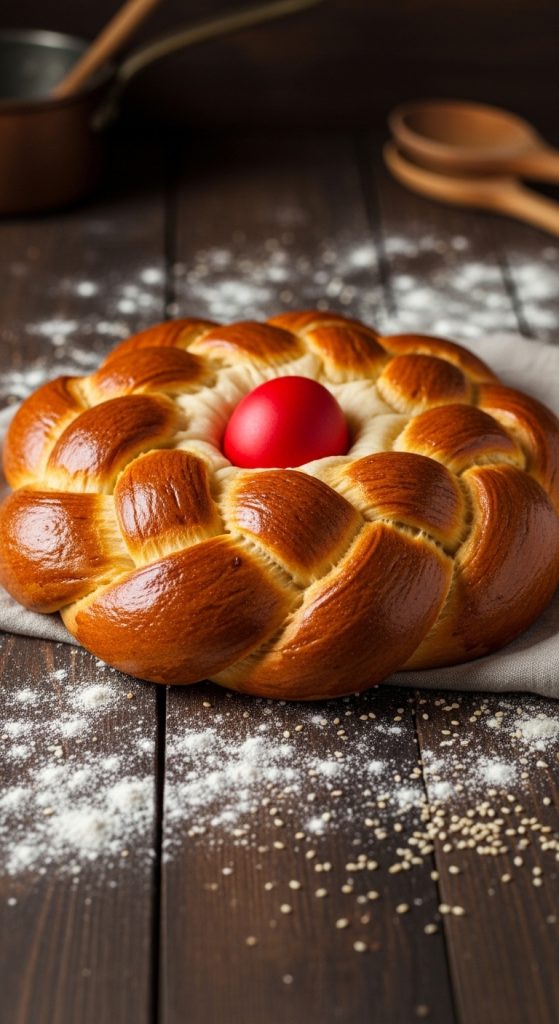
4. Bake Tsoureki (Greek Easter Bread)
Tsoureki is a soft, sweet braided bread traditionally baked for Easter. It has a rich flavor thanks to special spices like mahleb and mastic.
The bread is often decorated with a red egg placed in the braid before baking. Baking tsoureki at home can become a wonderful family activity, filling the house with delicious aromas and connecting everyone with Greek culinary tradition.
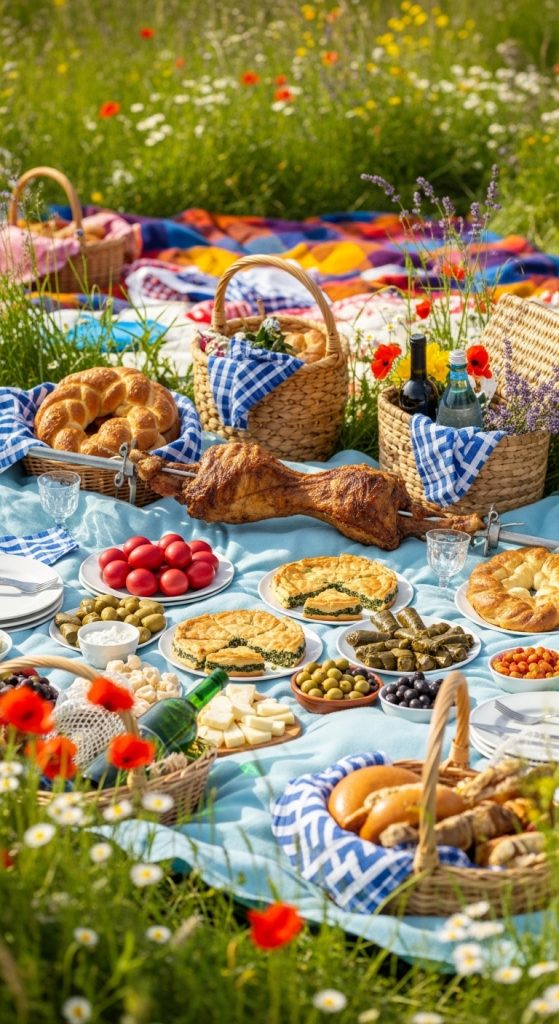
5. Organize an Outdoor Easter Picnic
Springtime in Greece is beautiful, and many families take advantage of the pleasant weather by celebrating outdoors. Parks, gardens, and village squares become gathering places filled with laughter, music, and food.
Plan an Easter picnic with blankets, traditional foods, and simple games for children. Add music, dancing, and storytelling to capture the joyful spirit of a Greek Easter gathering.
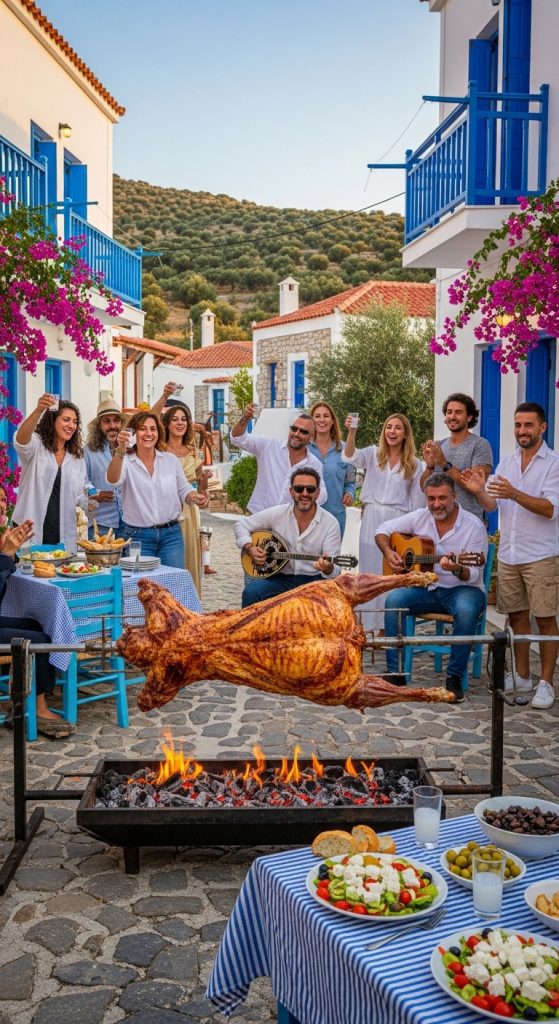
6. Roast Lamb on a Spit
Perhaps the most famous Greek Easter tradition is roasting a whole lamb on a spit. Families begin preparing early in the morning, slowly roasting the lamb over charcoal while socializing, drinking wine, and enjoying appetizers.
While roasting a whole lamb may not be practical for everyone, you can recreate the idea with grilled lamb chops, roasted leg of lamb, or lamb skewers. The focus is on sharing food and celebrating together.
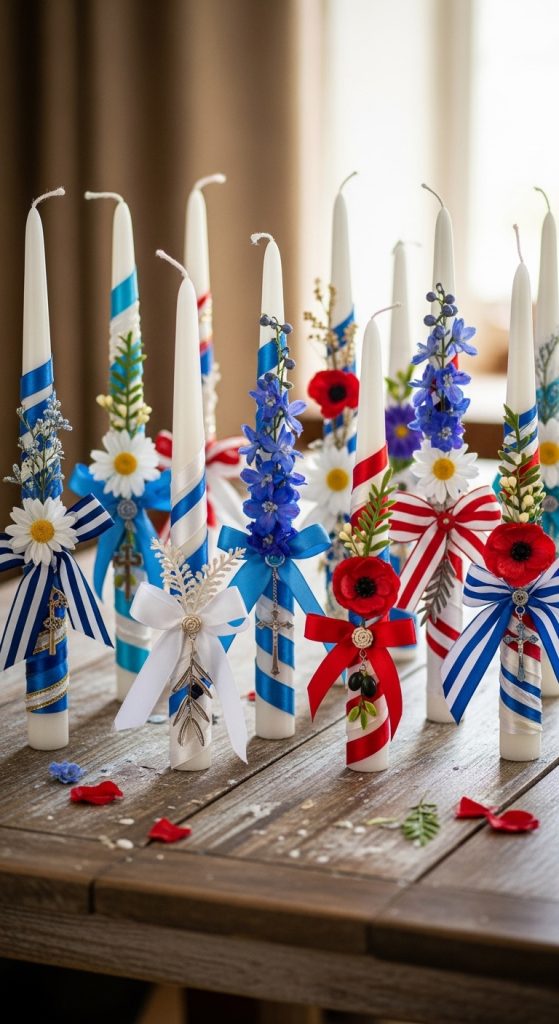
7. Create Handmade Easter Candles
In Greece, children often receive decorated candles called lambades from their godparents. These candles are used during the midnight Easter service and are sometimes decorated with ribbons, flowers, or small toys.
You can create your own decorated candles using simple craft supplies. This makes a wonderful family activity and adds a meaningful symbolic element to the celebration.
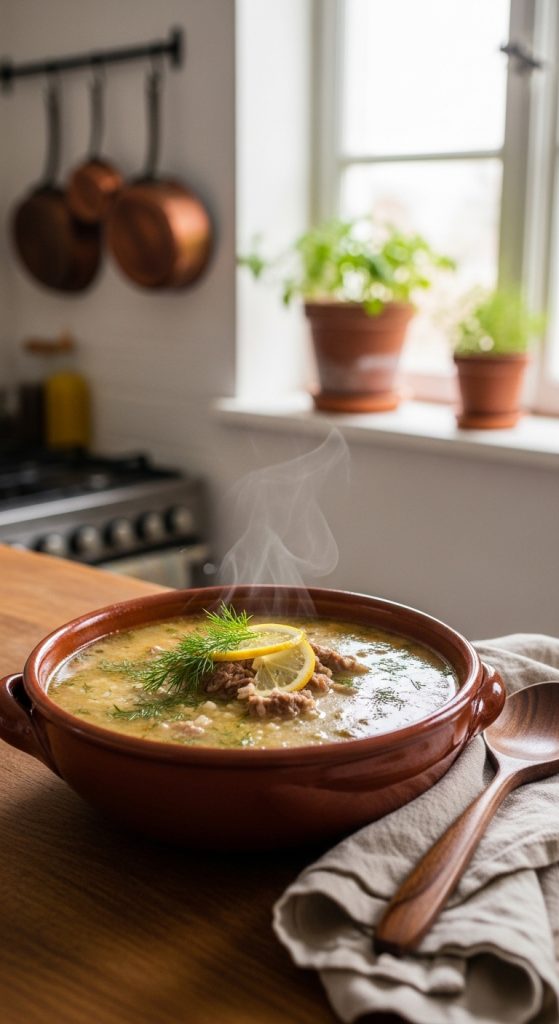
8. Prepare Traditional Easter Soup (Magiritsa)
After the midnight church service, many Greek families return home to eat magiritsa, a traditional soup made with herbs, lemon, and lamb. The soup is eaten just after midnight to break the Lenten fast gently before the larger feast the next day.
Even if you don’t prepare the traditional recipe, serving a warm soup after an evening celebration can be a comforting and meaningful tradition.
9. Enjoy Greek Music and Dancing
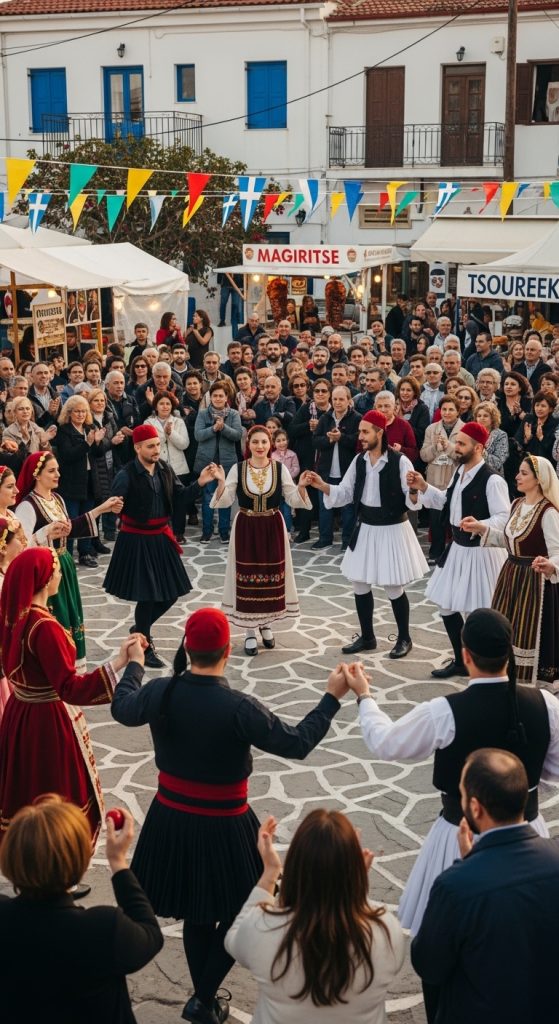
No Greek celebration is complete without music and dancing. Traditional songs, clapping rhythms, and circle dances bring energy and joy to Easter gatherings.
Create a playlist of Greek music and encourage guests to join in simple dances. Even basic steps can quickly turn into a lively celebration that captures the joyful atmosphere found in Greek villages during Easter.
10. Decorate with Mediterranean Spring Themes
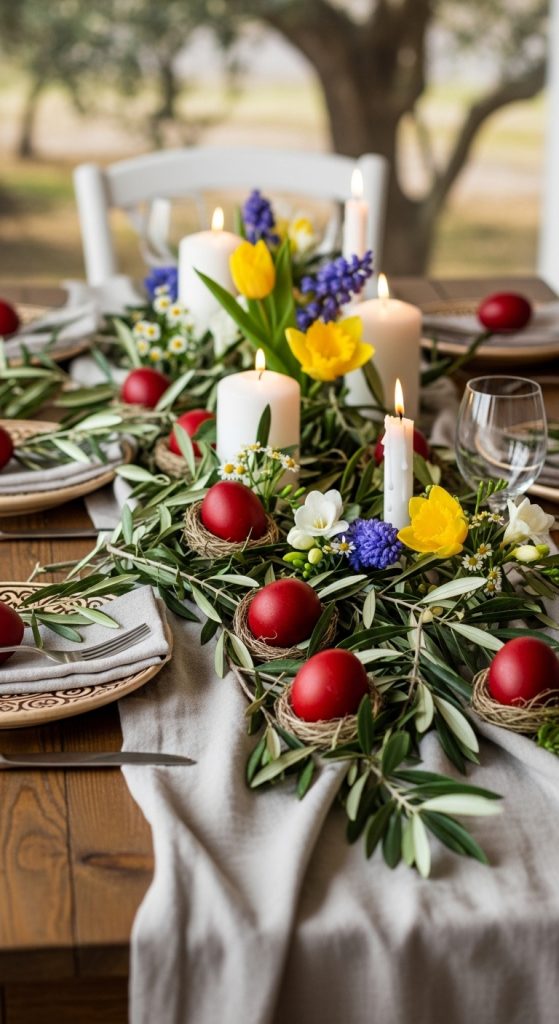
Greek Easter decorations are usually simple but beautiful, often inspired by nature. Olive branches, wildflowers, candles, and rustic pottery create a warm and welcoming atmosphere.
Use natural materials such as:
- Olive branches
- Fresh flowers
- Linen tablecloths
- Ceramic bowls
- Woven baskets
Combine these elements with red eggs and candles to create a Mediterranean-inspired Easter setting.
The Spirit of Greek Easter
More than anything else, Greek Easter is about togetherness. Families reunite, friends gather, and communities celebrate with faith, food, and joy. The traditions have been passed down for generations and reflect both religious devotion and the warmth of Greek hospitality.
By incorporating even a few of these ideas into your Easter celebration, you can experience the lively spirit and meaningful traditions that make Easter in Greece so special.
Whether it’s sharing a meal, lighting candles, decorating eggs, or simply spending time with loved ones, the heart of Greek Easter lies in celebrating renewal, hope, and community.